
*This post may contain affiliate links for which I earn commissions.*
There’s something about 80s horror that feels like curling up under a haunted blanket — a little spooky, a little ridiculous, but deeply comforting. Maybe it’s the grainy film texture, the over-the-top practical effects, or the way even the creepiest moments had personality. These weren’t just scary movies — they were worlds you wanted to live in (if only for 90 minutes, preferably with the lights on).
If you’ve ever noticed how symbols and sigils quietly shaped those worlds, you might enjoy exploring the hidden meanings behind the occult imagery that pops up in so many classic horror films.
The very first horror movie I saw in a theater was Poltergeist. The year was 1982 and my best friend and I couldn’t wait to see it. My mom would never have approved of my going but I spent the night at my friend’s house and her dad dropped us off. Her parents had far fewer rules than mine.
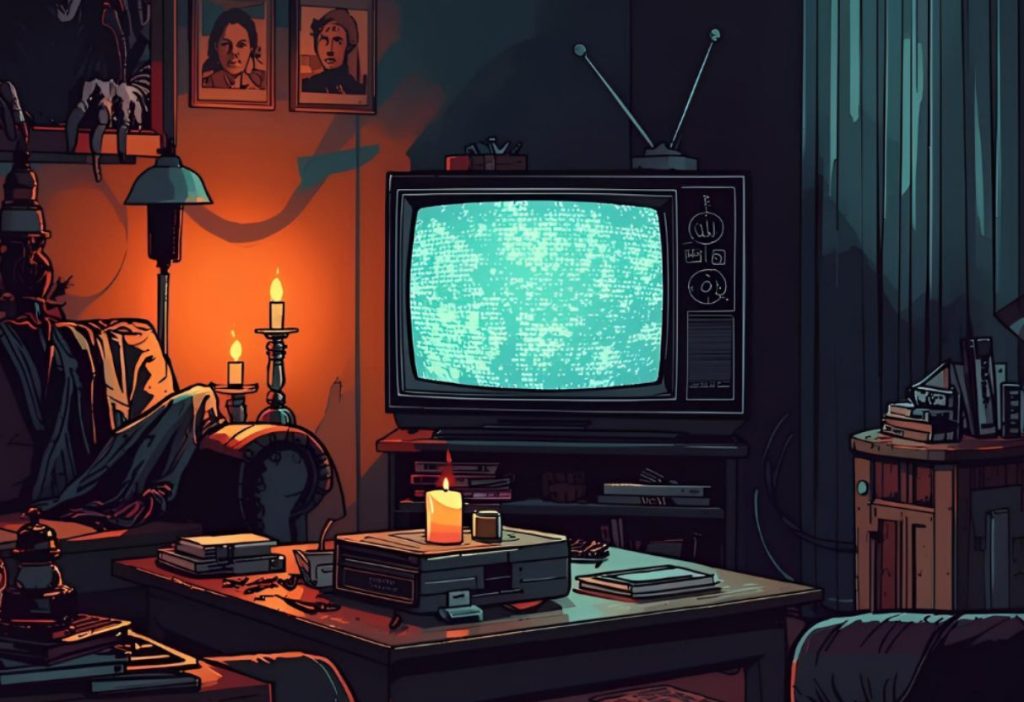
I can still hear the crackle of the TV static, Tangina calling “Go into the light”, and Carol Anne’s voice.
It wasn’t just great music we had in the 80s — it was an unforgettable era of horror films that didn’t always need buckets of blood to get under your skin. Some of the most iconic scares were psychological, not gory.
Modern horror might be technically sharper — more polished, more psychological, more “elevated.” But fans of the classics know that The Thing, Nightmare on Elm Street, Fright Night, or even The Lost Boys hit on something today’s sleek scares rarely touch: heart. The 80s horror era was equal parts chaos and charm — a time when monsters felt like messy friends, and every scream came with a sense of play.
I know because we didn’t go to see The Lost Boys just for the fear factor. We also went because we had a crush on Kiefer Sutherland — the leader of the vampire gang who were the villains of the story. (Yup – we had hot vampires long before Twilight!)
If you’ve ever found yourself smiling at a VHS flicker, humming a synth theme, or wishing movie villains were just a little more campy again, this one’s for you. Let’s dig into why we’re still haunted — and oddly comforted — by those neon-tinted nightmares.
The Practical Magic of Real Monsters
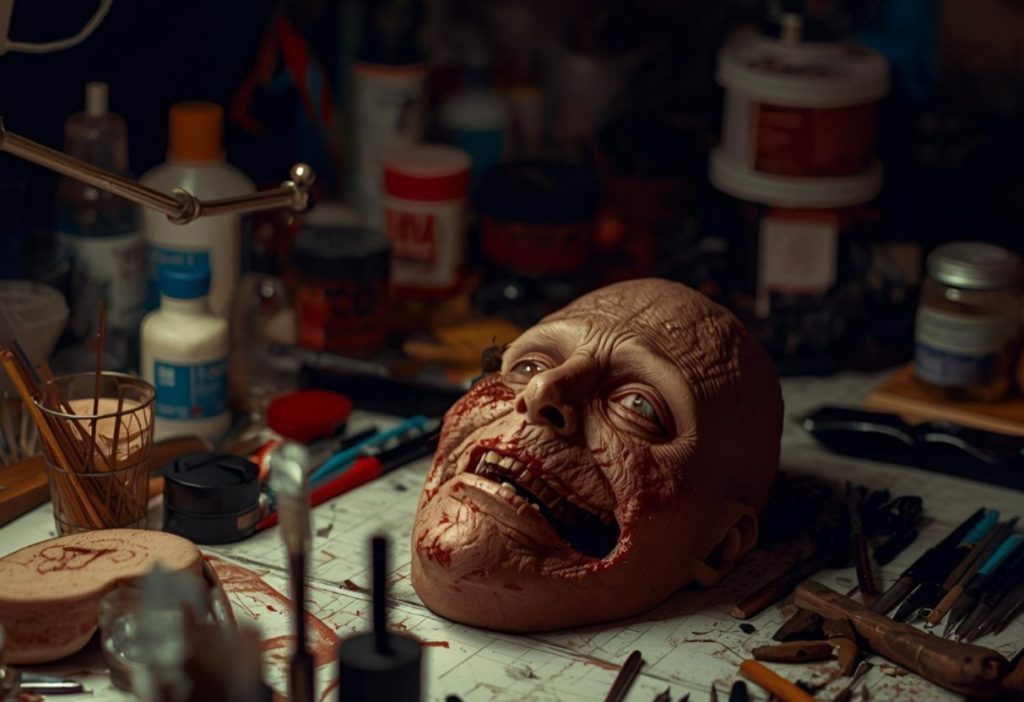
One of the biggest reasons 80s horror still feels so powerful is texture. The monsters were tangible — slimy, sticky, fanged, and very much there. Before CGI smoothed everything out, horror relied on creativity and elbow grease. Makeup artists, puppeteers, and special effects wizards like Tom Savini didn’t just create creatures — they built nightmares that felt alive.
When Freddy’s claws scraped the boiler room, you could almost smell the rust. When the Gremlins went feral, you wanted to reach out and flick their little ears. That tactile realism gave horror a strange warmth — because it felt handmade.
The Soundtrack of Our Dark Little Hearts
Let’s talk about the music. No one — and I mean no one — scored terror like the 80s. Whether it was John Carpenter’s pulsing synths, Goblin’s eerie prog rock, or the oddly romantic tracks hiding behind the bloodshed, these soundtracks became the emotional pulse of the genre.
Think about how Halloween’s score made your stomach twist before you even saw the mask. (Yes, the first movie was the late 70s but 4 sequels were put out in the 80s and that repetitive piano key note permeated our entire teen years.)
I had the original Atari 2600 Halloween game and as soon as Michael Myers would enter the screen, that sound would start up and I can still feel my whole body tense up trying to get my character to run away from him and save the kids.
The graphics were absolutely abysmal compared to what you’d expect today and yet the experience felt more thrilling because of that single, repetitive, piano-note based sound.
I must have played it well into the early 90s because I can picture myself playing the game alone in the house I rented with my then-husband while he was working the late shift. The game would completely freak me out and yet I couldn’t resist playing.
Think about how The Lost Boys made vampires cool (and kind of sexy) through an anthem of gothic rebellion. These weren’t just background sounds — they were identity statements.
For horror fans today, those soundtracks still have a kind of ritual power. There’s nothing like lighting a candle, pouring a dark roast coffee into a skull mug, and letting a vinyl of Suspiria hum in the background while you write, craft, or summon inspiration.
The Relatable Chaos of 80s Horror Characters
Unlike the brooding antiheroes of modern horror, 80s protagonists were… kind of a mess — and that’s why we loved them. They weren’t deep psychological studies; they were people just trying to survive one terrible night with questionable hair and zero signal on their walkie-talkies.
They were awkward, funny, impulsive, and strangely optimistic, even while running from masked maniacs. Watching them stumble, scream, and occasionally win made us feel connected — not because they were smart, but because they were human.
In a world that feels hyper-curated and digital, revisiting those imperfect heroes feels like an exhale. They remind us that it’s okay to be ridiculous sometimes. You don’t need to look perfect when you’re facing the monster — you just need to be real.
Nostalgia as a Spell: Why We Keep Returning
There’s a kind of ritual in nostalgia. When we revisit old horror films, we’re not just watching — we’re remembering who we were when we first saw them. Maybe it was sneaking a VHS into the player when you weren’t supposed to. Maybe it was staying up too late with a sibling, covering your eyes but peeking through your fingers.
That blend of fear and familiarity becomes comforting — a personal form of magic that connects us to the past. For many horror lovers, 80s horror is a mood, not just a genre. It’s the flicker of an old screen, the glow of practical blood, and the feeling that even when the world outside feels unrecognizable, there’s always a monster movie waiting to make it make sense again.
Practical Ways to Channel 80s Horror Energy at Home
If this nostalgic wave has hit you like a possessed boombox, here are some simple ways to live the vibe:
- Create a themed movie night altar. Stack your favorite VHS or DVD covers, add candles, and maybe a vintage figurine. If you want to make it feel extra immersive, check out a few nostalgic horror-movie-night bundle ideas that capture that cozy VHS-era energy.
- Decorate with subtle nods. A Freddy glove wall hook or a Hellraiser puzzle box replica instantly sets the tone without going full haunted house.
- Gift your fellow horror friends. 80s-inspired horror candles, enamel pins, or neon ghost mugs make perfect seasonal or birthday gifts.
- Listen to the soundtracks. Stream 80s horror vinyl playlists or order limited-edition records for your own creepy-cute listening corner.
A little nostalgia goes a long way — especially when it glows blood-red in the dark.
My Favorite 80s Flicks
This isn’t meant to be a “best of” or inclusive list. These are just the 80s movies that made the strongest impression on me. They’re the ones I’ve watched more than once, probably have saved in my YouTubeTV library, and ones I love to dig up around Halloween.
These take me back to my teenage years every single time and they still make me jump. If you’re looking for something to watch from this era, here are my recommendations:
- Poltergeist (1982)
- A Nightmare on Elm Street (1984)
- The Shining (1980)
- The Lost Boys (1987)
- Aliens (1986)
- Gremlins (1984)
- Friday the 13th (1980)
- Christine (1983)
- Pet Sematary (1989)
- Child’s Play (1988 — hello, Chucky!)
- Cujo (1983)
Every time I revisit one of these, it’s like opening a time capsule of cozy terror. The fashion, the grainy film quality, the way the monsters felt real — it all hits that perfect mix of fear and familiarity.
It’s wild how many of these films gave birth to icons who still inspire collectibles today — from Freddy’s glove to Chucky’s grin, their merch legacies live on.
These movies remind me that horror isn’t just about what’s scary; it’s about what sticks with you, what shaped your imagination, and what still makes you peek around dark corners long after the credits roll.
Closing Thoughts: Long Live the VHS Spirit
We may never get back the grainy glow or the magic of stumbling on a bootleg tape in a video store, but that’s okay. The spirit of 80s horror isn’t gone — it’s just evolved. It lives in every indie horror artist painting creepy pin-ups, in every horror artist sculpting monsters by hand, and in every fan (like you and me) who still finds joy in a good jump scare wrapped in synth and sentiment.
Because maybe that’s the real comfort of 80s horror — it reminds us that even our darkest fascinations can be playful, nostalgic, and full of heart. So go ahead and press play. The ghosts of VHS past are waiting.