
*This post may contain affiliate links for which I earn commissions.*
When I first started digging into how occult practices show up in modern entertainment, I honestly didn’t expect to find such deep roots. What started as a casual curiosity about horror movies quickly turned into a rabbit hole, as ancient spiritual practices are woven right into mainstream media, often hiding in plain sight.
From the ritual structures in movies like “Talk to Me” to the spell systems in popular games, these influences are way more intentional and widespread than most folks realize.
Modern horror films and pop culture regularly draw from real occult traditions, using authentic ritual frameworks, symbols, and practices as the foundation for their storytelling. Movies like “Hereditary,” “The Witch,” and “The Conjuring” series don’t just invent scares out of thin air. They pull directly from grimoires, ceremonial magic, and centuries-old spiritual traditions.
The result? Entertainment that mirrors actual occult practices, while presenting them as harmless fiction.
Defining the Occult in Pop Culture and Cinema
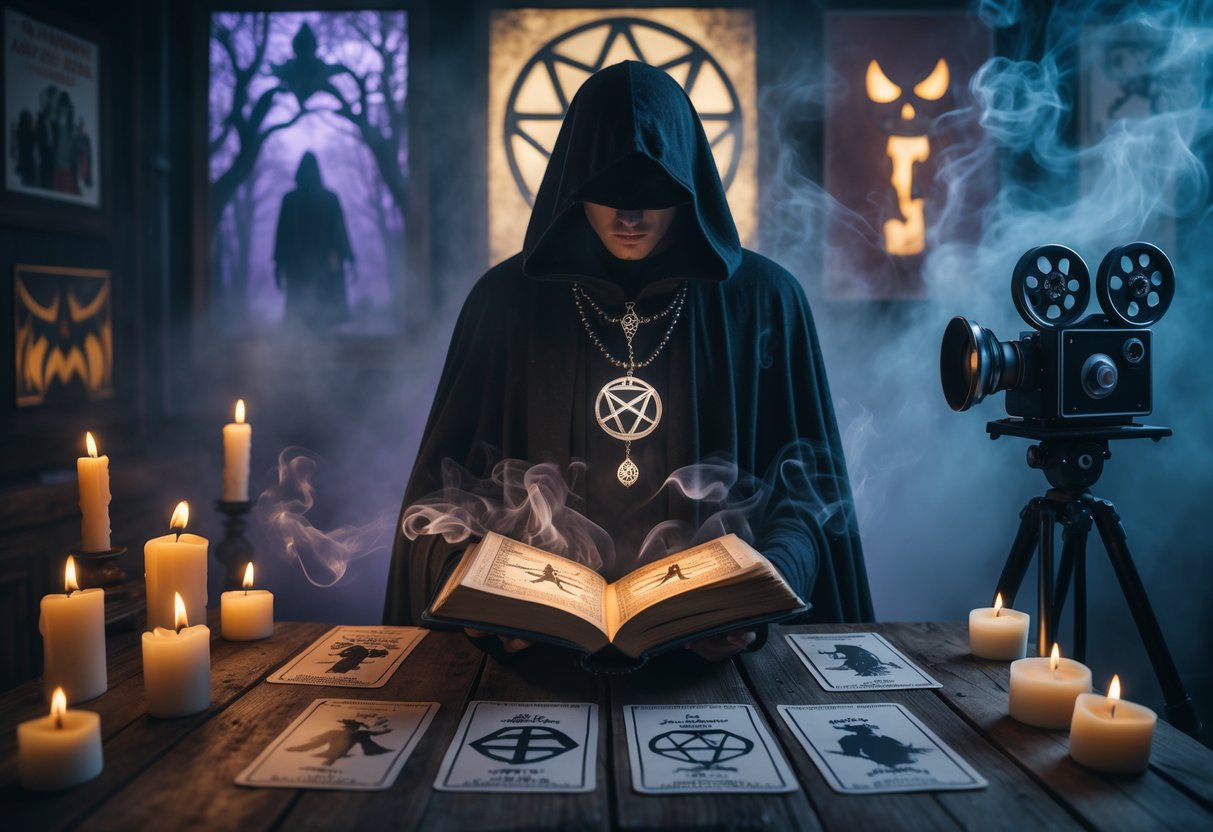
The occult in entertainment is all about hidden knowledge, mystical practices, and supernatural forces that go beyond what we usually understand. Movies and TV shows use specific symbols, rituals, and themes to create occult atmospheres that feel authentic, sometimes a little too authentic.
What Constitutes Occult Themes
I see occult themes popping up when stories focus on hidden knowledge and esoteric practices. Witchcraft, magic rituals, and ancient wisdom are classic signs. Characters often have to learn or uncover them.
Tarot reading and divination turn up a lot. Characters might use cards or crystal balls to peek into the future or get insight.
Ceremonial magic is all about specific rituals with candles, symbols, and incantations. In The Craft, for example, teens perform spells with pretty detailed ritual elements.
Secret societies and mystical orders are everywhere too. These groups guard ancient secrets or practice forbidden arts, adding a layer of mystery.
Alchemy and astrology sometimes show up as scholarly pursuits. Characters might study star charts or try to transform materials through mystical processes.
What separates occult themes from random magic? Study and practice. Characters need to learn belief systems, not just wave a wand and hope for the best.
Key Elements of Occult Imagery
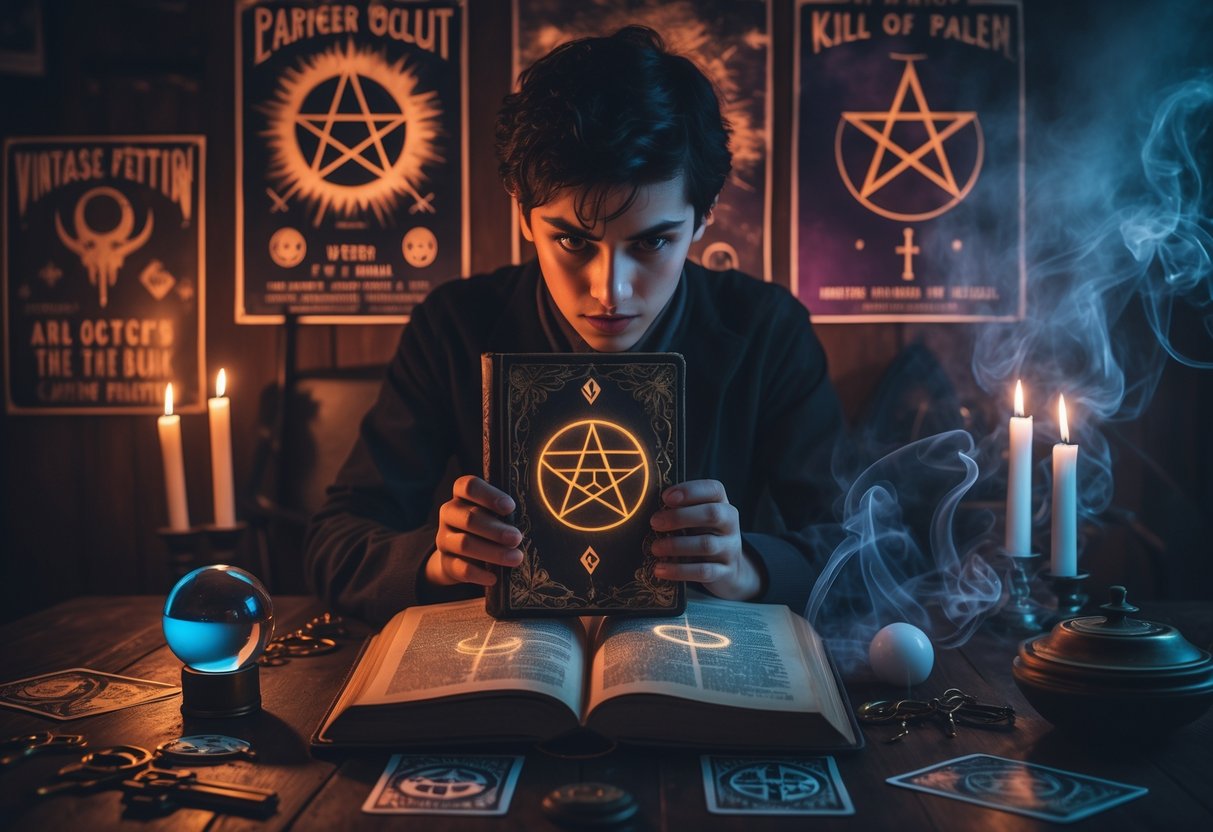
Certain visuals immediately scream “occult” to me. Pentagrams and hexagrams show up as protective or summoning symbols.
Candles and ritual circles help create sacred spaces for magical work. Directors use these to show characters entering spiritual realms or casting spells.
Learn more about what these classic symbols actually mean in horror movies.
Some common tools:
- Tarot decks for divination – If you’re curious about how tarot’s Major Arcana fits into this imagery, here’s a quick guide.
- Crystals for energy work
- Grimoires (spell books) for ancient knowledge
- Altars with ritual objects
- Robes and ceremonial clothing
Astrological symbols and ancient alphabets, such as Hebrew letters, runes, and planetary signs, add authenticity and a sense of mystery.
Moon phases and seasonal celebrations often set the timing for magical events. A lot of films schedule rituals during full moons or solstices.
Modern ritual kits like these Full Moon Ceremony Bundles show how these traditions are practiced today.
Color matters too. Black for protection or banishing, white for purification, and red for passion or power.
Distinctions Between Occult and Supernatural
People mix up occult content with general supernatural stuff all the time, but there’s a real difference.
Supernatural stories can include any unexplained phenomena. Ghosts, vampires, and random magic can show up without any real belief system behind them.
Occult content is different because it needs structured knowledge and intentional practice. Characters have to learn techniques, follow traditions, or study ancient texts.
Supernatural beings like vampires just have powers. Occult practitioners have to develop their abilities through training and dedication.
Horror films love to blend both elements. You might see supernatural monsters alongside occult practitioners who try to banish them using learned techniques.
It’s about agency. Supernatural events happen to characters, while occult practices require characters to actively participate in mystical traditions.
Media sometimes blurs these lines for drama. But true occult practices are more about personal spiritual development than flashy special effects.
The Occult’s Enduring Role in Horror Films
Horror films have always leaned into the occult because it taps into really primal fears about the unknown. That psychological power of forbidden knowledge and dark rituals hits audiences in a way that’s hard to shake.
Why Horror Relies on the Occult
It’s obvious to me that horror films keep coming back to occult themes because they represent everything we can’t control or understand. The occult is a goldmine for filmmakers looking for mystery that’s deeper than just jump scares.
Secret societies and ancient rituals make perfect settings for horror stories. “Rosemary’s Baby” and “The Wicker Man” are classic examples of regular people stumbling into the world of dark practices.
The occult also gives horror writers ready-made rules and mythology. Instead of inventing new supernatural systems, they can just tap into existing traditions that already freak people out.
Forbidden knowledge is a big one. When characters find occult texts or join rituals, they’re crossing lines they probably shouldn’t. That tension is instant.
Modern films like “Hereditary” and “Longlegs” keep this tradition alive, using occult symbols and practices to build atmosphere and real dread.
Psychological Appeal of Occult Horror
Occult horror works because it messes with our core fears about what’s beyond death and reality. I think that’s why audiences keep coming back.
Fear of the unknown is huge. We’re wired to be scared of what we can’t see or understand. Occult practices represent knowledge most people never get access to.
There’s also the fear of losing control. Characters in these films often make deals or do rituals that spiral way out of their hands. That hits a nerve about making choices we can’t undo.
Religious and spiritual anxiety factors in too. Even if you’re not religious, the whole good versus evil thing is hard to ignore. Occult horror taps into those deep-seated worries.
And let’s be honest, the power fantasy is part of it. Some small part of us is drawn to the idea of secret knowledge or supernatural abilities, even if it’s terrifying.
Creating Authenticity and Fear
Horror filmmakers know that using real occult symbols and practices makes their movies scarier. Authentic details build supernatural worlds that feel genuinely threatening.
Researching actual occult traditions helps filmmakers create convincing rituals and symbols. When audiences recognize real elements, the fiction feels more possible and scarier.
Visual symbolism does a lot of the heavy lifting. Pentagrams, sigils, and ritual circles instantly tell you you’re in dangerous territory.
Referencing real occultists like Aleister Crowley or actual practices gives stories historical weight. It makes the fiction feel grounded.
Attention to ritual details matters too. Showing characters performing ceremonies with specific steps makes it seem like these practices could actually work. That’s way more unsettling than generic movie magic.
Evolution of Occult Motifs in Horror Cinema
Horror films have played with occult themes since the beginning, but the way they do it has shifted a lot. From simple supernatural scares to complex ritual magic, the evolution of occult in movies says a lot about what freaks us out.
Early Cinematic Depictions
Early horror films treated occult themes with a lot of caution. In the 1920s and 1930s, movies like “The Cabinet of Dr. Caligari” hinted at supernatural forces but didn’t show much directly.
They mostly used fortune tellers and hypnotists as their main occult figures. The imagery stayed safe because directors worried about censorship and religious backlash.
You’d see:
- Crystal balls and tarot cards
- Mysterious gypsies with supernatural powers
- Hypnotists controlling minds
- Séances that go wrong
“Nosferatu” (1922) leaned into vampire lore but skipped explicit occult rituals, relying on shadows and suggestion instead.
By the 1930s, Universal’s monster movies started adding more occult symbols. “Dracula” brought in crucifixes and holy water as defenses against evil.
Golden Age Classics and the Occult
From the 1940s to the 1960s, horror films got bolder with occult practices. Witchcraft and demonic forces moved into modern settings.
Movies like “Night of the Demon” (1957) and “Rosemary’s Baby” (1968) made occult practices feel real and threatening.
Hammer Horror Studios shook things up in the 1950s and 60s. Their films showed black masses and satanic rituals in vivid detail. “The Devil Rides Out” (1968) is a prime example.
Key developments:
- Ritual scenes with robes and altars
- Ancient magic books as plot devices
- Witch covens in suburban neighborhoods
- Demonic possession stories
The 1970s brought “The Exorcist” and “The Omen,” making demonic possession a mainstream fear. These movies blended Catholic imagery with occult symbols, setting up the classic good versus evil battle.
This era really set the template: pentagrams, Latin chants, and candlelit ceremonies became horror movie staples.
Modern Revivals and New Directions
In recent years, occult themes in horror have gotten a facelift. Today’s films mix traditional witchcraft with anxieties about technology and social media.
Movies like “The Witch” (2015) go for historical accuracy, researching real folk magic instead of leaning on stereotypes.
Modern occult horror explores:
- Folk horror and nature-based magic
- Urban legends mixed with online culture
- Feminist takes on witch imagery
- Psychological horror that blurs reality and supernatural
“Hereditary” (2018) and “Midsommar” (2019) show rituals as community events, not just individual evil. These films dig into how groups use ritual to handle trauma or control others.
Now, horror often treats occult practitioners as complex, not just villains. “The Love Witch” (2016) frames witchcraft as empowerment, while “Suspiria” (2018) looks at power dynamics inside occult groups.
Social media has changed things, too. Films show characters learning spells from online videos or joining covens through apps, tapping into our digital-age anxieties.
Iconic Occult-Inspired Horror Films & TV Series
The horror genre owes a lot to films and TV shows that dive deep into supernatural themes and dark magic. These works have set the visual language and narrative style that still shape modern entertainment.
Notable Movies That Defined the Genre
A handful of films really set the tone for occult horror. The Exorcist (1973) stands out because it brought demonic possession into the mainstream and still freaks people out.
Rosemary’s Baby (1968) mixed psychological horror with satanic conspiracy. Its slow-burn style became a blueprint for tons of occult thrillers.
The Wicker Man (1973) is a folk horror classic. Some critics even call it “the Citizen Kane of horror.” Its pagan rituals and wild ending influenced movies like Midsommar.
The Omen (1976) brought biblical prophecy into horror. Gregory Peck as a father realizing his son is the Antichrist? Unforgettable.
More recently, Hereditary (2018) and The Witch (2015) have breathed new life into occult horror, with fresh takes on family curses and witchcraft.
Cult TV Series Shaping Occult Perceptions
Television has played a big part in bringing occult themes into homes everywhere. Supernatural ran for 15 seasons, following brothers who hunted demons, angels, and all sorts of otherworldly creatures.
American Horror Story dedicates entire seasons to occult themes. Coven dove into witchcraft in New Orleans, while Apocalypse tackled the Antichrist and the end times.
The X-Files brought paranormal investigations to mainstream TV. The show’s mix of government conspiracy and supernatural elements left a real mark on pop culture.
Penny Dreadful adapted classic horror literature for television. The series combined characters like Dracula and Frankenstein’s monster with occult storylines set in Victorian London.
Archive 81 and Midnight Mass are newer shows that keep pushing boundaries in occult storytelling.
Influential Directors and Screenwriters
Some filmmakers have become almost synonymous with occult horror. Roman Polanski made classics like Rosemary’s Baby and The Ninth Gate, often showing ordinary people getting pulled into supernatural conspiracies.
William Friedkin’s The Exorcist set the bar for possession films. His realistic take on supernatural horror shaped the genre for decades.
Ari Aster shook things up with Hereditary and Midsommar, mixing family trauma with cult horror in visually unforgettable ways.
Robert Eggers made The Witch with intense historical accuracy. His focus on period detail and authentic dialogue set new standards for folk horror.
The Occult’s Broader Impact on Pop Culture
The occult has moved way beyond horror movies and into fashion, books, and social media. I see mystical symbols on clothing everywhere, and video games love their magic systems just as much as tarot reading apps rack up downloads.
Fashion, Art, and Music
Occult symbols show up all over modern fashion. Brands like Killstar and Blackcraft Cult build entire collections around pentagrams, moon phases, and tarot imagery.
High-end designers jump on these themes too.
Popular occult fashion elements:
- Pentagram jewelry and accessories
- Astrological constellation prints
Crystal and gemstone designs are everywhere. Gothic and witchy vibes are pretty much mainstream now.
Music artists go wild with occult imagery. Bands like Ghost dress up in religious-inspired costumes, while singers like Grimes weave crystal healing and mysticism into their whole aesthetic.
Visual artists take inspiration from tarot cards, alchemy symbols, and mystical themes. Gallery shows featuring occult-inspired art draw big crowds. Instagram is packed with artists reimagining ancient symbols in fresh ways.
Crystals have gone totally mainstream. I see folks wearing amethyst necklaces and rose quartz rings on the regular. Occult practices that were once hidden now show up in shopping malls.
Influence on Literature and Comics
Occult themes dominate modern literature across genres. Neil Gaiman, for example, weaves mythology and magic into his bestselling novels.
Young adult shelves overflow with books about witches and supernatural powers.
Major literary trends:
- Witch fiction for teens and adults
- Urban fantasy with magical systems
Graphic novels love occult themes. Self-help books on crystal healing line up next to them.
Comics are packed with occult characters and stories. Marvel’s Doctor Strange dives into mysticism, while DC’s Constantine deals with demons and magic. These characters pop up in major movies and TV shows now.
Publishers keep seeing strong sales for books about tarot, astrology, and witchcraft. Barnes & Noble even has entire sections for metaphysical topics. I’ve watched that section get bigger every year.
Independent authors use Amazon and similar platforms to publish occult fiction. Readers hunt for stories about modern witches, vampire covens, and magical societies. The demand for supernatural content just keeps growing.
The Digital Age: Social Media and Gaming
Social media pulls in millions of users who want to talk about occult practices. TikTok is full of videos on crystal healing, tarot readings, and spell casting.
Instagram accounts dedicated to witchcraft attract massive followings.
Popular digital occult content:
- Tarot reading apps and websites
- Online crystal shops and marketplaces
Virtual reality meditation experiences are popping up. Astrology prediction services have become part of daily digital life.
Video games build complex magic systems and occult themes right into their worlds. The Witcher series and Bloodborne borrow heavily from mystical traditions. Players interact with tarot card mechanics and alchemical crafting systems.
Even dating apps now include astrology compatibility features. Apps like Co-Star send daily horoscopes to millions.
YouTube channels teach viewers about all sorts of occult practices. Creators post tutorials on tarot reading, crystal cleansing, and ritual work. These videos pull in millions of curious viewers.
Pop Culture as a Gateway to Occult Practices
Movies, TV shows, and celebrities have made witchcraft and mysticism feel way more normal. That shift has led to real spiritual communities forming, with people actually trying out what they see on screen.
Many people start their journey with simple tools like this beginner witchcraft kit.
Representation and Mainstream Acceptance
Shows like “The Chilling Adventures of Sabrina” and “American Horror Story: Coven” changed how folks see witches. Suddenly, witchcraft looked cool instead of scary.
Movies like “The Craft” showed teenage girls using real spells and rituals. A lot of viewers started looking up those practices for themselves.
Before pop culture influence:
- Witchcraft seen as evil or fake
- People were afraid to talk about spiritual practices
After mainstream representation:
- Witches portrayed as powerful women
- Occult practices seem normal and interesting
Social media influencers openly talk about tarot cards and crystals. This openness makes young people feel safe to explore these things too.
The rise of witch characters as heroes instead of villains chipped away at old fears. Magic started to look like something positive people could actually learn.
Rise of Occult-Inspired Spiritual Communities
I’m seeing more people join groups based on what they watched or read. Online communities have popped up around shows like “Penny Dreadful” and “Doctor Strange.”
Popular community types include:
- Tarot reading groups inspired by TV fortune tellers
- Crystal healing circles from social media trends
Wiccan covens modeled after movie witches are a thing now. Meditation groups use techniques straight out of fantasy films.
Young people especially connect through apps like TikTok, sharing spells and rituals they picked up from their favorite characters.
Local shops selling crystals and tarot cards get more customers after popular shows air. People just want to try what they see their favorite characters doing.
These communities give folks a safe space to try out spiritual practices. Members teach each other and swap stories about their magical interests.
Pop Culture Paganism and Modern Mysticism
A lot of people now practice what I’d call “pop culture paganism.” They mix real spiritual traditions with elements from movies and TV.
Some even create altars dedicated to fictional characters they treat as spiritual guides. Others use spells written for movies in their own practice.
Common pop culture spiritual practices:
- Using movie spell words in real rituals
- Decorating homes like witch characters’ spaces
People follow lunar cycles they saw on supernatural shows. Collecting crystals featured in fantasy films is pretty common too.
Social media makes it easy to learn about different spiritual paths. Folks find paganism, Wicca, and other practices through entertainment content.
The line between fantasy and real spiritual practice feels pretty blurry these days. Most practitioners don’t see a problem with that because it helps them connect with their beliefs.
Modern mystics often start with pop culture, then dig into traditional practices. It’s become a bridge between entertainment and genuine spiritual exploration.
Frequently Asked Questions
People have a lot of questions about how the occult shows up in movies and TV. These questions cover everything from how filmmakers use real occult practices to make things scary, to how these movies shape what we think about magic and the supernatural.