
*This post may contain affiliate links for which I earn commissions.*
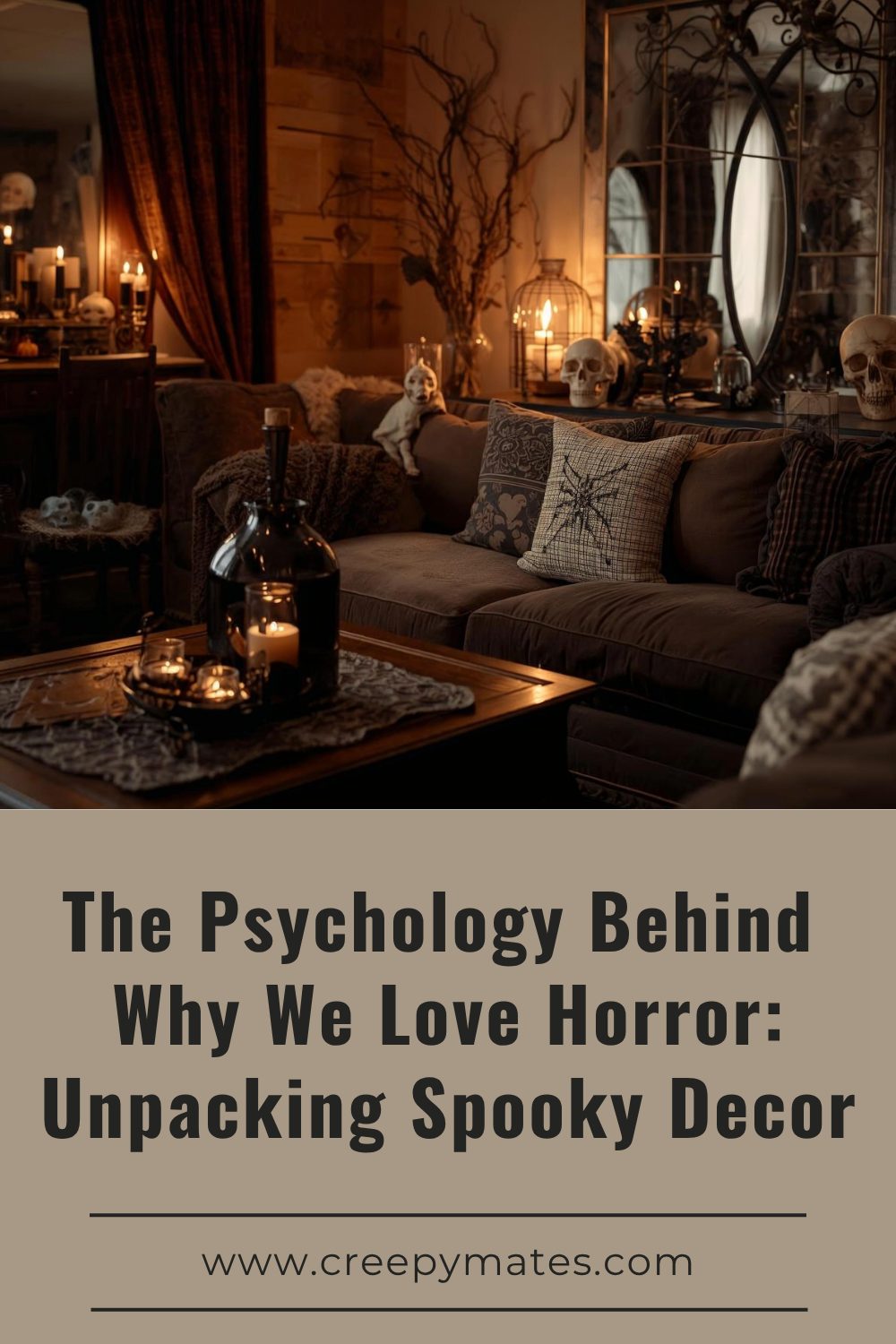
Picture this: you’re scrolling through social media and suddenly stop at a friend’s living room photo. There’s a vintage horror movie poster, gothic candles, and maybe a few skeleton decorations.
Instead of feeling creeped out, you find yourself thinking, “I love that look.” Turns out, you’re definitely not the only one drawn to the darker side of home decor.
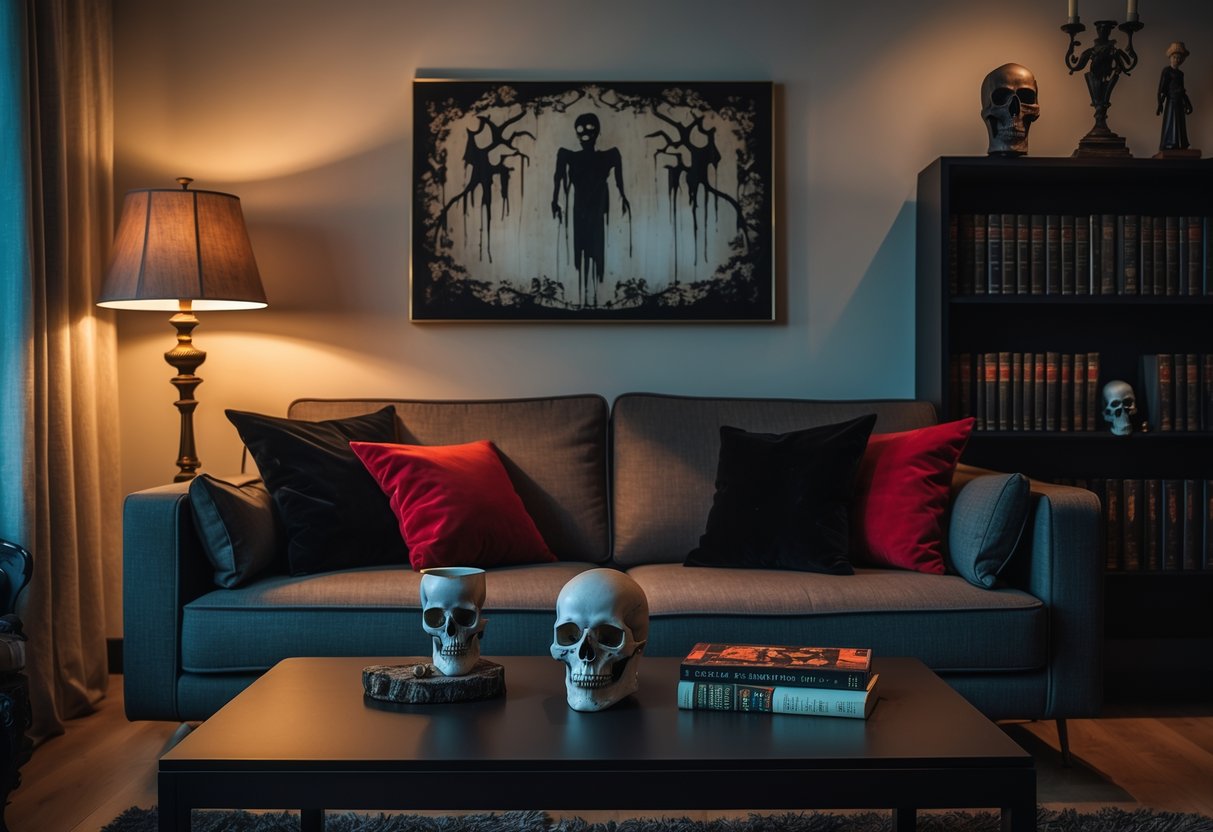
Our brains seem built to enjoy controlled fear because it gives us an adrenaline and dopamine rush in a safe setting. This same psychology explains why we bring spooky decorations into our homes year-round.
When we watch horror movies, our brains react as if threats are real while knowing we’re completely safe. That creates an exciting rush a lot of people crave.
I’ve always found it fascinating how this love of fear spills into our personal spaces. From gothic accents to vintage horror memorabilia, more people are decorating with the macabre as a way to express themselves, feel nostalgic, or even find comfort.
(For horror fans who live for the open road, these goth motorbike stocking stuffers are a fun way to express their vibe)
Let me share some of the surprising psychological reasons your skull mug or creepy art prints might reveal more about human nature than you’d expect.
Horror As A Safe Thrill
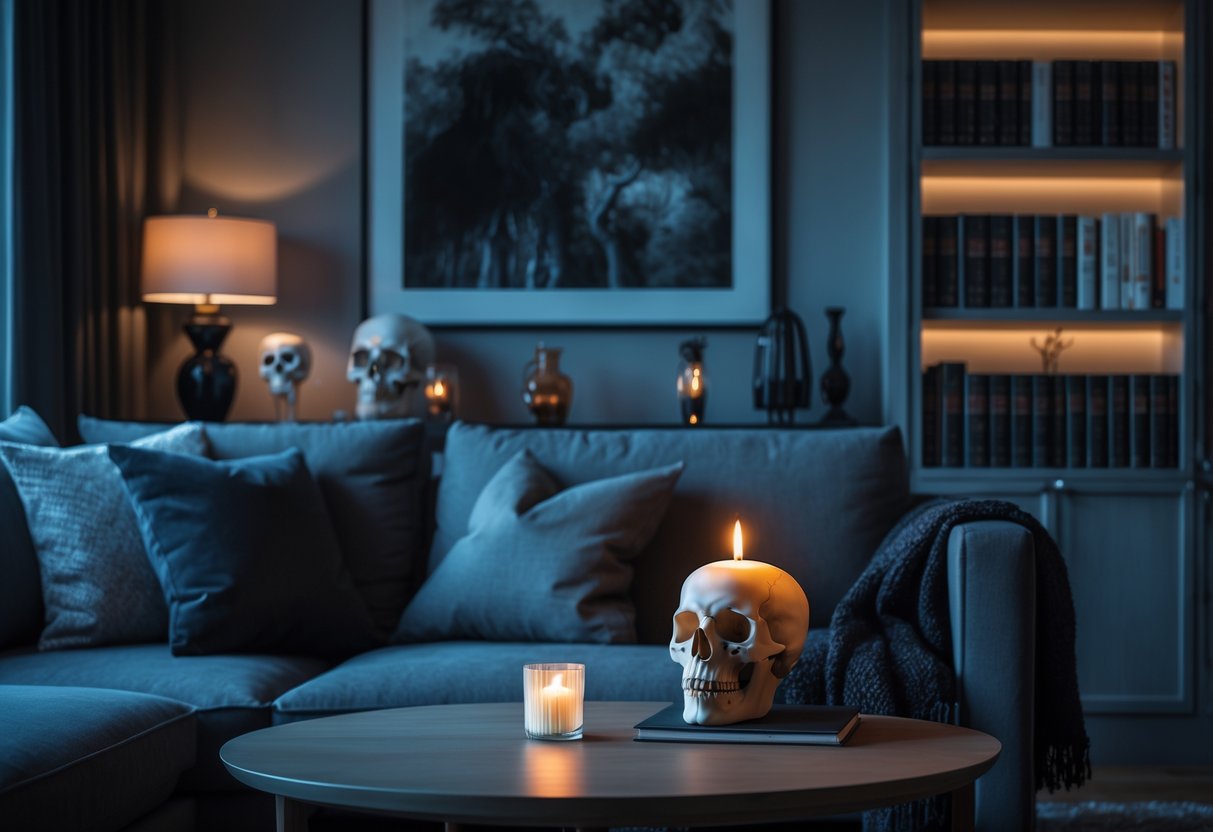
Horror gives us a way to experience fear without any real risk. Our brains get that jolt of excitement while we stay totally safe.
The “Controlled Fear” Experience: How Horror Allows Us To Flirt With Danger Without Real Risk
When I watch horror movies or walk through haunted houses, my brain acts like the threat is real. But, deep down, I know I’m safe.
Experts call this benign masochism. It’s the fun of enjoying something scary when it can’t actually hurt us.
Horror films let me practice dealing with fear in a safe environment. I can face monsters, ghosts, and killers, then just turn on the lights when it’s over.
This kind of controlled fear builds mental strength. Each time I handle a jump scare, it’s like emotional exercise.
Adrenaline And Dopamine: Why We Crave The Emotional Rollercoaster
My body doesn’t always know the difference between real and fake danger. When something scary happens on screen, I get a rush of adrenaline just like I would if it were real.
This rush of dopamine feels a lot like riding a roller coaster. My heart pounds, my muscles tense, and I feel super alert.
Once I realize I’m safe, all that tension turns into relief. That natural high is honestly addictive.
The fear cycle works like this:
- Scary scene pops up
- Adrenaline surges
- Heart races
- Danger passes and relief floods in
- Dopamine reward follows
That chemical mix keeps me coming back for more horror, even if I get spooked every time.
How This Translates Into Decor: Skull Mugs, Spooky Art, Horror Collectibles
The same brain chemistry that makes me love horror movies explains why I want spooky decor at home. A skull mug gives me a little thrill every morning, but there’s no real fear.
Horror collectibles keep that sense of excitement in my daily life. Movie posters from classic films remind me of those safe scares. Creepy artwork adds just enough darkness to feel interesting.
Popular horror decor items:
- Vintage horror movie posters
- Skull and skeleton accessories
- Gothic candles and moody lighting
- Spooky figurines and statues
- Dark artwork and prints
These pieces work because they’re just scary enough to be cool, but not so much that anyone feels threatened. My zombie figurine might get a second glance, but it’s all in good fun.
Balance is key. I want pieces that spark excitement without making my place feel truly unsettling for guests.
If you love the “safe scare” feel, check out our cozy horror movie-night bundles for nostalgic scare seekers.
Identity And Self-Expression
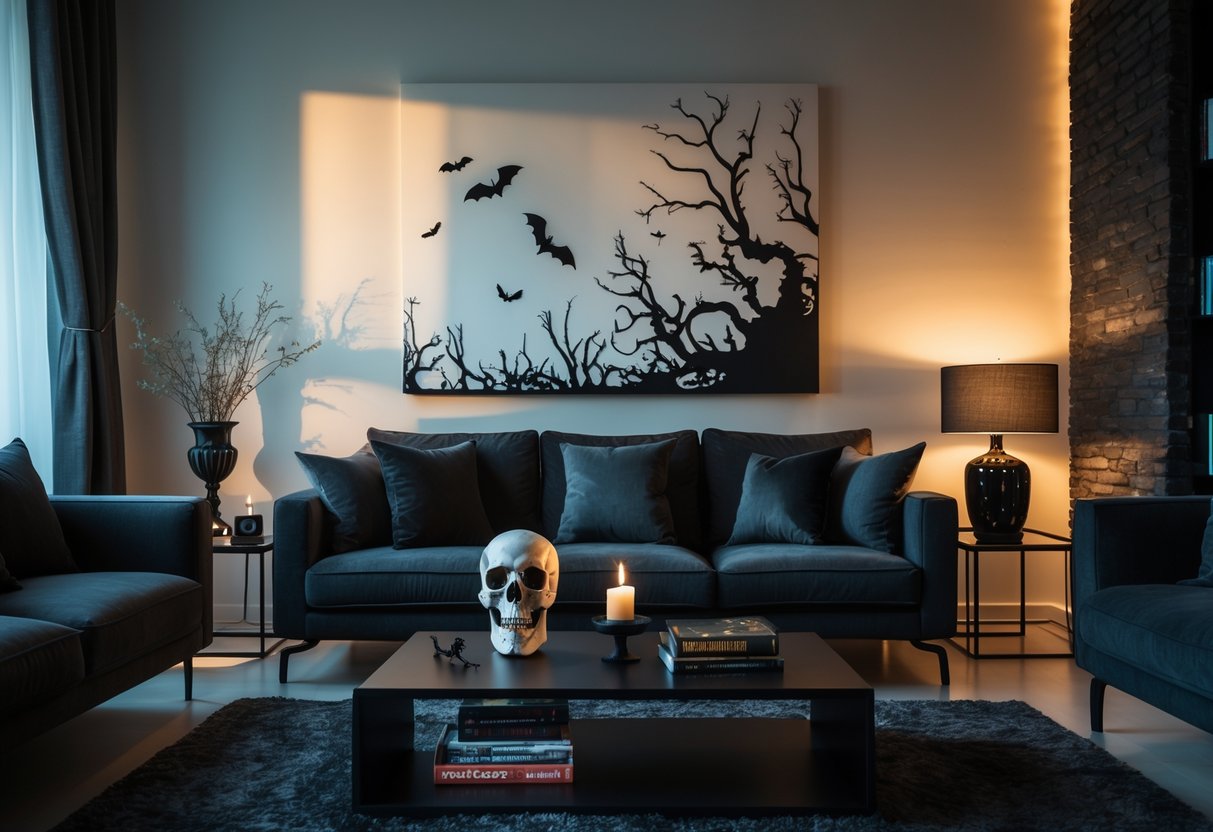
Horror lets people show off who they are and what sets them apart. From fashion to home decor, fans use scary themes to express themselves and find others with similar tastes.
Horror Fans Often Wear Their Interests On Their Sleeves (Sometimes Literally)
I’ve noticed horror fans love to wear their passion. Band tees, movie poster shirts, and skull jewelry are everywhere in the scene.
Many people rock shirts with classic monsters like Frankenstein or Dracula. Some go for clothing with famous horror movie quotes, or even tattoos of their favorite creepy characters.
Need some outfit inspiration? This Lydia Deetz style guide nails that vintage goth vibe.
Popular Horror Fashion Choices:
- Movie merch like Jason’s hockey mask prints
- Gothic jewelry with skulls, bats, or crosses
- Band shirts from horror-themed groups
- Vintage horror poster art on clothing
- Dark makeup inspired by horror icons
Wearing this stuff sends a clear message about your interests. It’s honestly a great way for fans to spot each other and start conversations.
Dark, Creepy, Or Ironic Decor Choices As Personal Statements
Home decor is another outlet for horror lovers. I see people picking dark colors, vintage medical gear, or spooky art for their rooms.
Some fans collect horror movie posters or vintage Halloween decorations all year. Others go for subtle touches like black candles or mysterious old books.
Common Horror Decor Elements:
- Fake skulls or skeletons
- Dark paintings or photos
- Vintage horror memorabilia
- Gothic furniture in black or deep red
- Creepy dolls (like this Beetlejuice Skullector set) or figurines
- Haunted house-style lighting
These choices make homes feel unique and personal. They start conversations and show what the homeowner values. Horror taps into our survival instincts and offers a venue for personal exploration.
The Role Of Horror In Helping People Feel Seen, Unique, Or Rebellious
Horror gives people a way to stand out from the crowd. A lot of fans feel different or misunderstood, and scary themes help them show that side.
Younger folks especially use horror to rebel a bit. Choosing dark themes says, “I’m not afraid to be different.” There’s something exciting about liking what scares others.
Horror often explores questions of identity and otherness. Fans connect with outsider or monster characters because they get what it’s like to feel different.
Ways Horror Supports Identity:
- Builds community with fellow fans
- Lets you rebel safely
- Celebrates being different
- Offers role models in strong horror characters
- Creates belonging through shared interests
A lot of horror fans say they feel more confident when they can show their true interests. The genre gives permission to be dark, mysterious, or just a little weird.
Nostalgia And Comfort In The Creepy
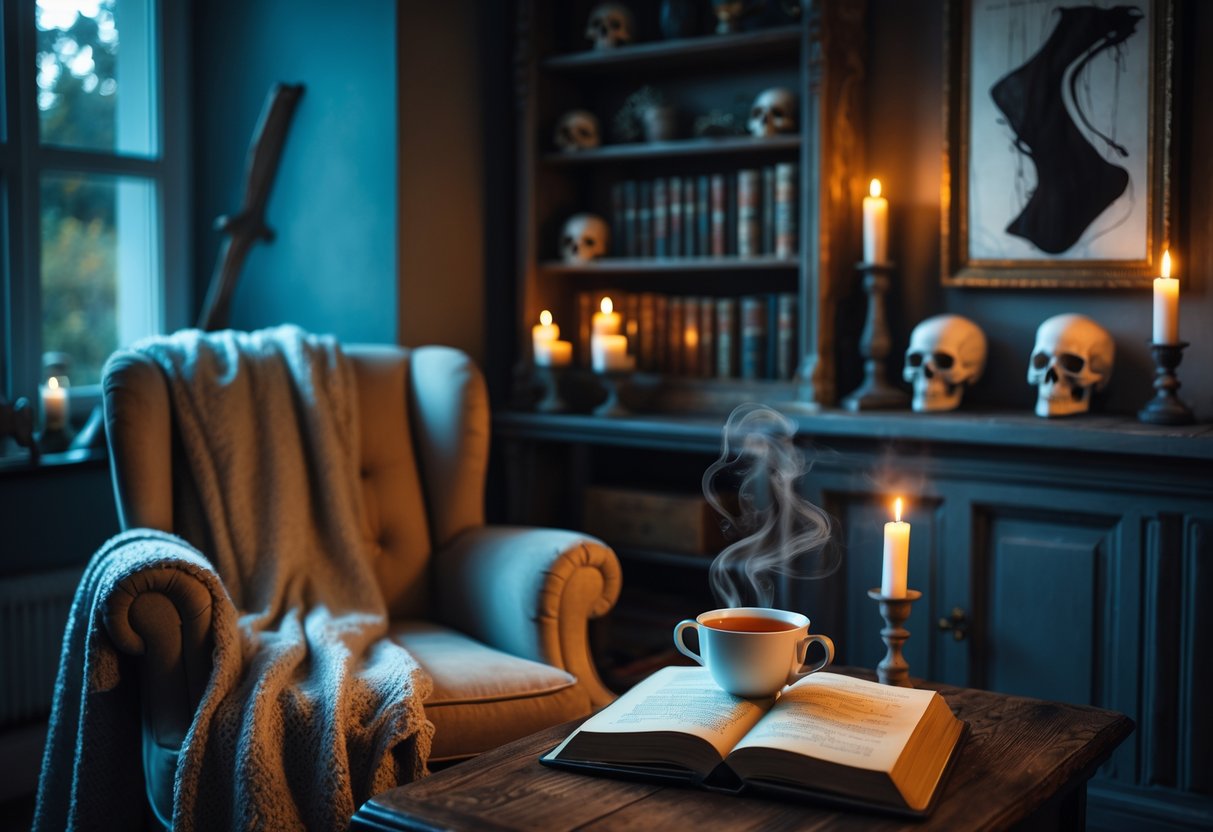
Horror taps into childhood memories that shape what we like as adults. So many people find comfort in familiar monsters and vintage horror styles.
How Horror Connects To Childhood Memories (E.g., Goosebumps, Halloween Nights)
I remember running home from school to watch Goosebumps. Those afternoons made horror feel safe and fun for me.
Halloween nights are burned into our memories. Trick-or-treating while dressed as ghosts or demons made scary things feel exciting, not threatening.
Kids’ horror introduces us to fear in small, manageable doses. Shows like Are You Afraid of the Dark? taught us that scary stories could be fun. These early experiences build a psychological “protective frame” around horror.
Book series like Goosebumps or Scary Stories to Tell in the Dark made horror approachable. Reading with friends or siblings created shared memories tied to monsters and stories.
Those safe scares stick with us. As adults, when we see those themes again, our brains remember the fun, not the fear.
Comfort In The Familiar Monsters: Freddy, Chucky, Ghostface, Etc.
Classic horror villains become oddly comforting over time. Freddy Krueger used to scare me, but now his look feels almost nostalgic.
These monsters get less scary and more familiar as we see them again and again. Chucky’s doll face and catchphrases become cultural inside jokes. Ghostface from Scream is pure 90s nostalgia.
Popular Comfort Monsters:
- Freddy Krueger (burned face, claw glove)
- Chucky (killer doll, orange hair)
- Ghostface (white mask, black robe)
- Jason Voorhees (hockey mask, machete)
- Michael Myers (white mask, jumpsuit)
People choose horror entertainment partly because they want a safe scare. Familiar monsters deliver that, they’re scary, but we know their rules.
Predictability is weirdly soothing. I can watch Freddy movies and feel spooked, but never truly anxious because I know how it goes.
Decorating With Vintage Horror Items Or Retro Aesthetics To Relive Emotional Milestones
Horror decor lets me keep those positive scary memories close. My vintage Universal Monsters posters remind me of discovering old movies back in high school.
Retro horror stuff brings back specific times. An old Friday the 13th poster takes me to late-night sleepovers with friends.
Nostalgia plays a key role in horror comfort, especially with items from the 70s, 80s, or 90s. Those decades gave us so many iconic images that feel both spooky and safe.
Vintage horror decor might be movie posters, action figures, or replica props. A plastic Chucky doll on my shelf makes people smile, not scream. It feels more like a shared wink than a real threat.
Halloween decorations keep the vibe going all year. Having ghost figures or demon masks out reminds me of favorite fall memories. They spark conversations about beloved scary moments.
Horror collectibles act as anchors to emotional milestones. Each piece brings back a time I learned that being scared could actually be fun.
Humor And Horror: The Playful Side
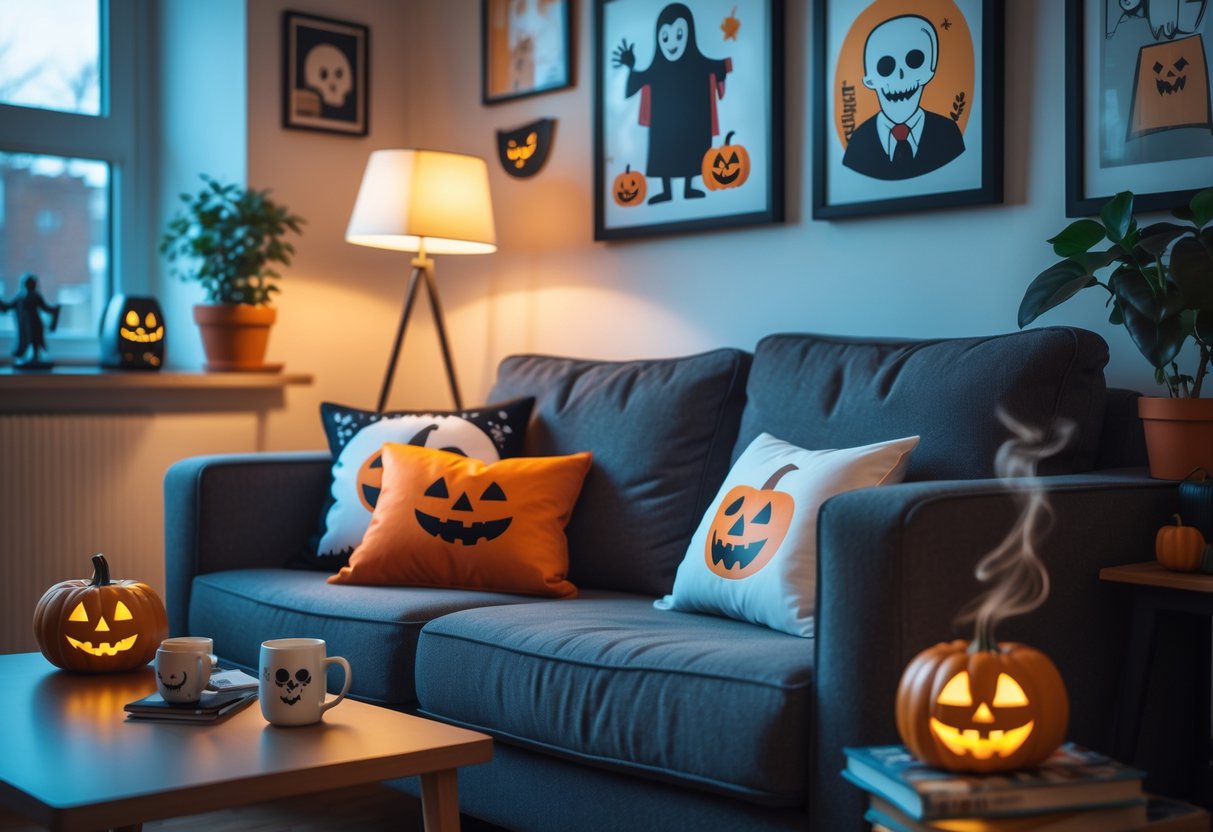
Horror doesn’t have to be all terror, all the time. Mixing scary with cute or funny touches makes it easy to enjoy fear without getting overwhelmed.
Why Mixing Spooky With Silly (E.g., Zombie Plushies, Vampire Duckies) Is So Appealing
For me, blending horror with humor is the sweet spot. Zombie plushies and vampire rubber duckies let me play with spooky themes, minus the nightmares.
These items work because they take something scary and make it non-threatening. A cute zombie stuffed animal keeps the fun visuals but ditches the danger.
My brain gets a kick out of the mixed signals. The softness of a plush toy means comfort, while the zombie design adds just enough edge.
It’s a way to enjoy horror and still keep things light. I get to be spooky and playful at the same time.
Relief Through Laughter: Using Camp, Parody, And Kitsch To Tame The Fear
Laughter’s always been my favorite way to defuse scary stuff. Comedy-horror films mix terror with amusement, and honestly, I try to capture that vibe in my own home.
Camp horror decor just pushes the scary so far it loops back to funny. Picture a skeleton in sunglasses or a vampire looking way too dramatic for their own good.
Parody items flip classic horror icons into jokes. I love hanging up a horror poster redrawn with cartoon characters or some ridiculous pun.
Kitsch horror pieces go wild with color, weird textures, or proportions that make you laugh. A hot pink skull or a sparkly bat? Suddenly, horror feels more like a dance party than a nightmare.
How Horror Decor Often Blends The Grotesque With The Adorable
Modern horror decor loves to mash up creepy and cute. You see it everywhere: skeleton cats, ghost puppies, skulls grinning under flower crowns.
That grotesque-cute combo works because it throws you off in a good way. Your brain’s expecting something frightening, so when it’s adorable instead, it’s almost a relief.
Japanese culture calls this “guro-kawaii,” or grotesque-cute. Western horror decor’s definitely borrowed from that playbook.
These pieces let me keep things edgy but still inviting. Guests get curious, not creeped out.
The cute side of horror makes it easier to explain to people who aren’t into the scary stuff. A smiling ghost pillow is a lot less awkward than a haunted portrait glaring from the wall.
The Aesthetic Allure Of Darkness
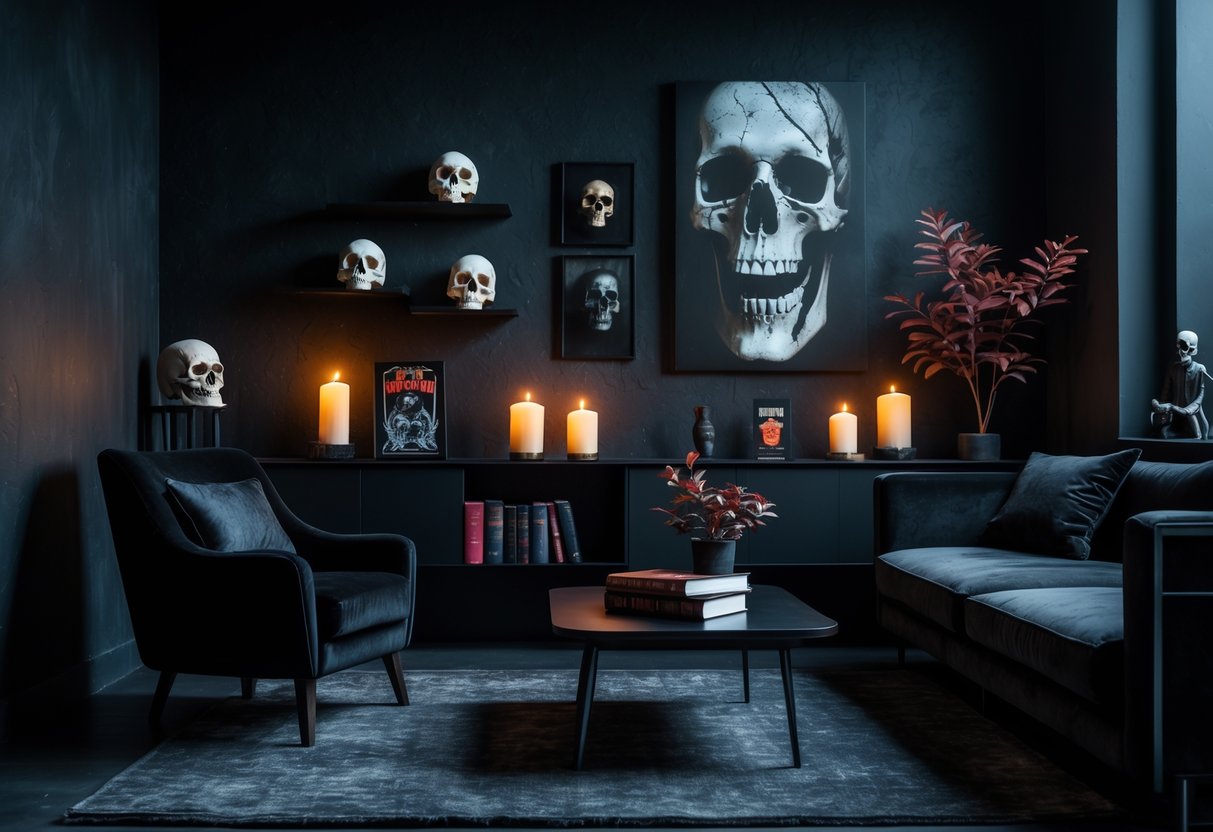
Dark aesthetics tug at something deep inside us. There’s this weird beauty in shadows, mystery, and all things macabre.
Gothic touches, moody lighting, and forbidden symbols just pull you in. It’s not just about decorating; it’s about the vibe.
The Timeless Beauty Of Gothic And Macabre Styles
Gothic design’s been turning heads for centuries. I think it’s the drama: the shadows, the crazy details, the way light and dark play off each other.
The gothic look stands out with:
- Pointed arches and tall, dramatic lines
- Rich textures like velvet, stone, and wrought iron
- Deep colors: burgundy, black, dark purple
- Ornate details: carved gargoyles, intricate patterns
Macabre elements add that little jolt of weirdness. Skulls, old medical drawings, antique oddities: those spark better conversations than anything you’ll find at IKEA.
Every piece feels like it’s got a story. A Victorian mourning locket or a heavy candelabra? You can’t help but wonder where it’s been.
Moody Lighting, Victorian Influences, Occult Symbols: Why These Look Good
Moody lighting totally changes a room’s mood. Dim, warm lights make spaces feel cozy, not cold.
Victorian influences bring a sense of drama:
- Heavy curtains, lush fabrics
- Dark wood furniture with wild carvings
- Vintage photos and old portraits
- Ornate, tarnished mirrors
Occult symbols: pentagrams, crystals and tarot cards always catch the eye. They spark curiosity, even if you’re not into the supernatural.
I think our brains just crave visual complexity. We like layers, textures, interesting shapes rather than empty, blank spaces.
Candlelight and Edison bulbs are perfect for this look. The shadows dance, and everything feels alive.
The Psychology Of Being Drawn To The “Forbidden” Or Taboo
The fascination with dark aesthetic probably comes from our urge to poke at what’s off-limits. Taboo imagery feels a little rebellious and personal.
Forbidden stuff in decor can mean:
- Death imagery: skulls, bones
- Occult symbols that push against the usual
- Dark creatures like ravens or spiders
- Vintage medical tools and oddities
It lets us play with boundaries in a safe way. You get to flirt with the scary or mysterious without any real risk.
Choosing these things feels meaningful. Picking out a dark artwork or a gothic chair says, “Hey, I’m not afraid to be different.”
Why darkness appeals to people often comes down to wanting to stand out. Dark decor is a little rebellion against the ordinary.
Community, Belonging, And Subculture
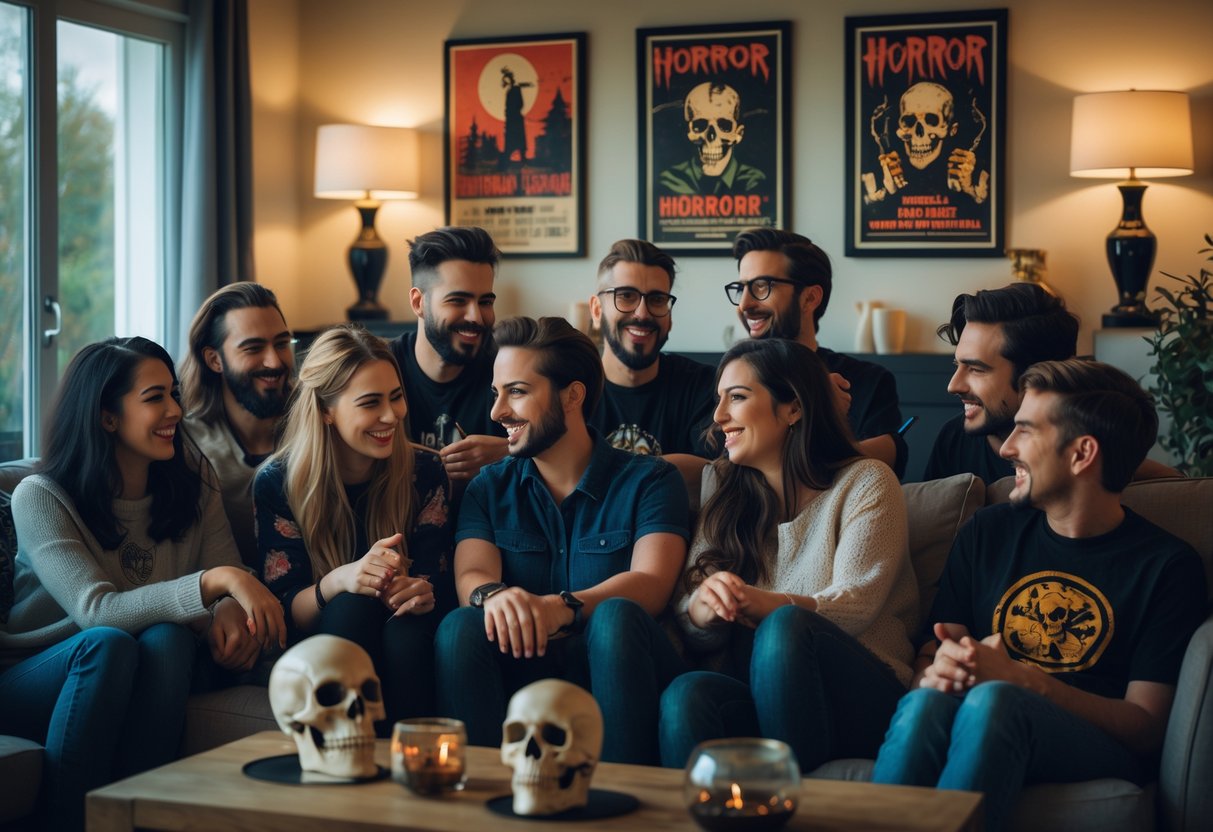
Horror fans build tight communities through conventions, online groups, and collecting. I’ve seen how horror decor can shout, “I’m one of you!” and spark instant connections.
Horror As A Fandom: Conventions, Online Groups, Merch Trading
Horror conventions draw thousands every year. At HorrorHound and Days of the Dead, you can meet people who get why you’re obsessed with scary movies and collectibles.
Online, there’s always a conversation happening. On Reddit, Facebook, and Discord, I get to geek out over rare posters or vintage Halloween finds with people from all over the world.
Popular Horror Communities:
- Massive Reddit horror forums
- Facebook groups for specific franchises
- Discord servers for live chat on new releases
- Instagram feeds showing off horror room setups
Trading and selling horror merch is a whole social scene. I’ve made friends hunting down rare pieces or helping someone complete their collection.
(Want to grow your collection without overspending? This guide can help.)
The psychology behind our need to belong really shows up here. Horror fandom is a place where you’re celebrated, not side-eyed.
Decorating As A Way To Signal Group Identity And Bond Over Shared Obsessions
My horror decor is like a billboard for my interests. When people see my wall of monster movie posters or my shelf of horror figurines, they know I’m part of the club.
These visual cues make it easy to find your people. I’ve had random guests or delivery folks strike up horror conversations after spotting my decorations.
Common Horror Decor Signals:
- Posters from cult classics
- Action figures from horror series
- Vintage Halloween stuff out all year
- Custom art with horror icons
- Shelves full of horror books
Decor lets me show which slice of horror I love most. Maybe it’s 80s slashers or classic Universal monsters. Either way, other fans can tell right away.
Every item has a story. Where I found it, why it matters. Sometimes the hunt is half the fun.
How This Enhances Feelings Of Belonging, Even Through Niche Items
When someone notices my obscure horror collectibles, it’s an instant bond. If a visitor recognizes a rare piece from some forgotten film, we’re off to the races.
These moments make me feel seen. The stuff that might seem weird elsewhere becomes a shared passion here.
Benefits of Niche Horror Collecting:
- Deeper chats with fellow fans
- Feeling part of an exclusive group
- Pride in rare finds
- Memories and stories connected to each piece
Even the popular stuff can feel special if you display it your way. My collection of Funko Pop horror figures isn’t rare, but the way I set them up says something about me.
The psychology of belonging shows why we need to feel seen by others who get us. Horror decor puts my personality out there and helps me find my people.
Seasonal Influence That Became Permanent
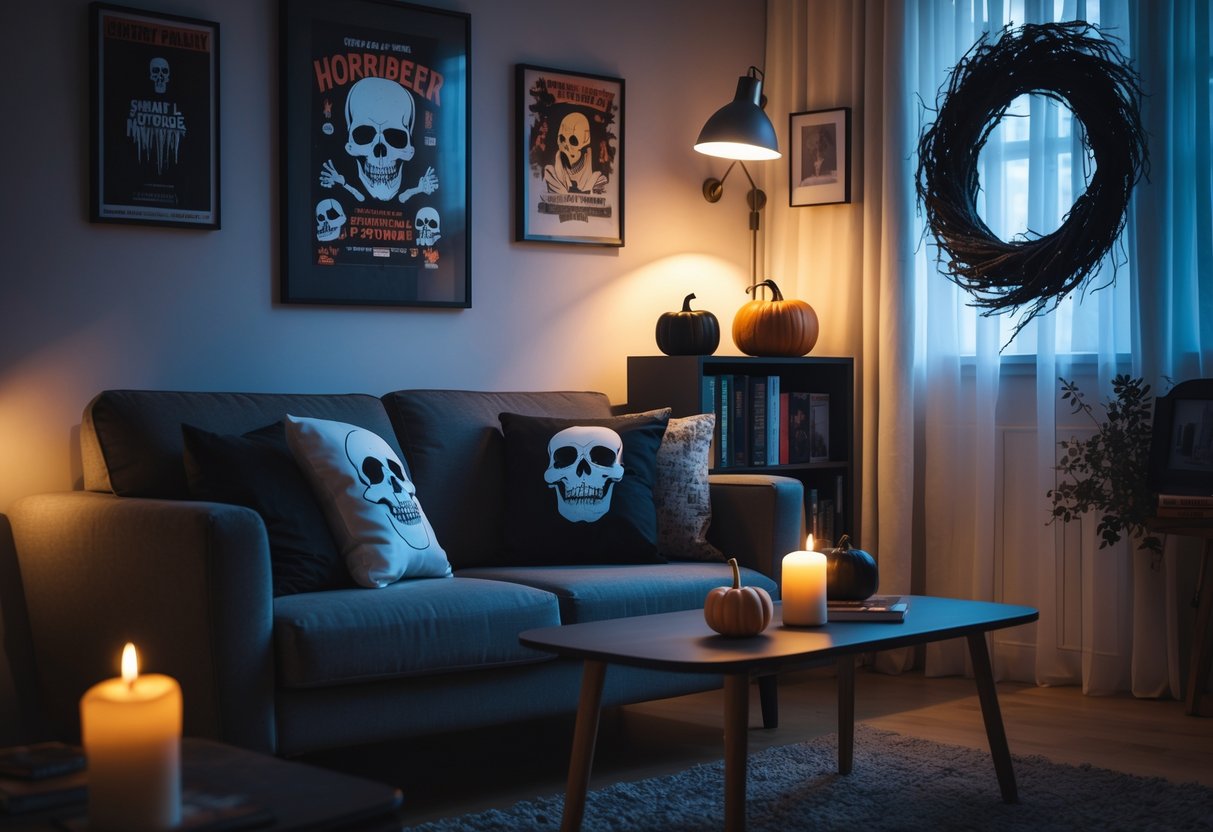
What started as a once-a-year thing for October has become a year-round part of home design. Halloween’s influence crept out of the attic and into everyday life, and now even big stores are in on it.
Halloween’s Year-Round Influence On Home Decor Trends
I’ve watched Halloween go from a one-night event to a full-on lifestyle. Now you’ll spot spooky touches in living rooms, bedrooms, even kitchens, no matter the month.
For kitchens, this gothic silverware set comparison shows how spooky can blend with everyday style.
Gothic elements are just regular design now. Black candelabras, old apothecary jars, and dark art don’t look out of place in July. People leave skeleton keys, ravens, and antique mirrors out all year.
This shift was slow. Halloween parties stretched from one night to weeks. Decorations started going up earlier. Even costumes started inspiring everyday fashion and home style.
| Traditional Halloween Timing | Modern Year-Round Adoption |
|---|---|
| October only | March through December |
| Stored after November 1st | Permanent display items |
| Party-specific decorations | Daily living accessories |
Social media pushed this trend further. Instagram and Pinterest made dark, moody looks a hit all year. Trends like “dark academia” and “gothic cottagecore” borrowed straight from Halloween’s playbook.
Love dark academia? These gift sets are perfect for that aesthetic.
How Seasonal Marketing Slowly Normalized Horror-Themed Everyday Items
Stores stretched Halloween sales earlier and earlier, in what I call “creep expansion.” Suddenly, spooky stuff was on shelves in July, then June, until it just stayed out all year.
Target and HomeGoods started “Halloween in July” sales. Walmart added permanent gothic sections. These moves taught shoppers to see horror decor as normal, not just seasonal.
The psychology made sense. When you see black roses, skull planters, and bat wall art in spring, they stop feeling tied to October. They’re just cool decor now.
Key marketing tactics:
- Mixing spooky items with regular home goods
- Dropping “Halloween” from labels
- Inventing “gothic chic” and “dark romantic” categories
- Putting horror items in non-seasonal sections
Christmas ornaments paved the way. Holiday lights became patio staples, so why not bats and skulls as daily decor?
Subscription boxes helped this along. Monthly horror home boxes landed on doorsteps year-round, making spooky stuff feel like a lifestyle, not a holiday splurge.
Rise Of Mainstream Brands Embracing “Everyday Spooky”
Big brands jumped on the “everyday spooky” wagon. Pottery Barn, West Elm, and Anthropologie all have gothic-inspired lines now, not just at Halloween.
They rebranded horror touches with fancy names. Instead of “Halloween decor,” it’s “dark maximalist,” “gothic revival,” or “moody botanical.” Suddenly, it’s sophisticated.
Hot sellers include:
- Black metal candle holders (“industrial chic”)
- Taxidermy-inspired art (“natural history”)
- Dark floral arrangements (“dramatic botanicals”)
- Vintage medical prints (“vintage scientific”)
Even high-end designers got in on it. Jonathan Adler put out permanent skull collections. MacKenzie-Childs added gothic pieces year-round. If it’s good enough for them, it’s good enough for my living room.
Prices shot up, too. What cost $5 in the Halloween aisle now goes for $25 or more in home decor. That price tag makes it feel less like a gimmick and more like real design.
Influencers sealed the deal. They posted gothic breakfast nooks, dark botanical bathrooms, and spooky reading corners all year, proving the look works any time, not just in October.
Recap: Loving Horror and Decorating With It Isn’t Weird. It’s Wired
My fascination with horror decor actually makes a lot of sense when you look at the science. The psychology behind why we love horror shows scary things trigger some pretty powerful brain responses.
When I bring gothic elements into my home, I’m basically setting up a controlled space for fear. It’s kind of like watching a horror movie. My brain gets excited, but I know I’m safe.
Key psychological benefits include:
- Adrenaline rush from dark imagery
- Sense of control over scary elements
- Creative expression of hidden emotions
- Social bonding with other horror fans
Horror decor gives me a way to practice facing fears, honestly. Every skull or dark painting feels like a tiny exercise in building courage.
I get to poke at my own anxiety, but on my own terms, right in my living room. The dopamine rush from horror happens with decor too.
That gothic mirror or old horror poster? It brings out the same thrilling feeling.
Final Thought: Horror Allows Us To Explore Emotions, Identities, And Aesthetics In Ways That Are Fun, Cathartic, And Deeply Human
Horror decor gives me something regular home design just can’t. It lets me express parts of myself that never quite fit into those bright, cheerful spaces.
My dark art and spooky objects offer emotional release. I use them to process feelings like sadness, anger, or even a weird curiosity about death.
This cathartic experience happens in my decorated space almost every day.
Horror elements connect me to my authentic identity. When I pick out a vintage occult book or an antique medical tool, I’m showing people who I really am.
Not everyone needs pastel colors or those inspirational quotes on their walls.
The aesthetic side matters to me too. Gothic architecture, dark colors, and mysterious objects add visual interest.
They tell stories and spark conversations in ways that standard decor just can’t manage.
Horror decor reminds me that all emotions deserve space. Fear, darkness, and mystery are just as human as joy, and maybe they’re even worth celebrating now and then.
What about you? Do you have a favorite spooky piece that speaks to who you are or a story behind the first horror item you ever brought home?
I’d love to hear how you use horror to express yourself. Drop a comment and let’s keep the conversation going in the shadows.