
*This post may contain affiliate links for which I earn commissions.*
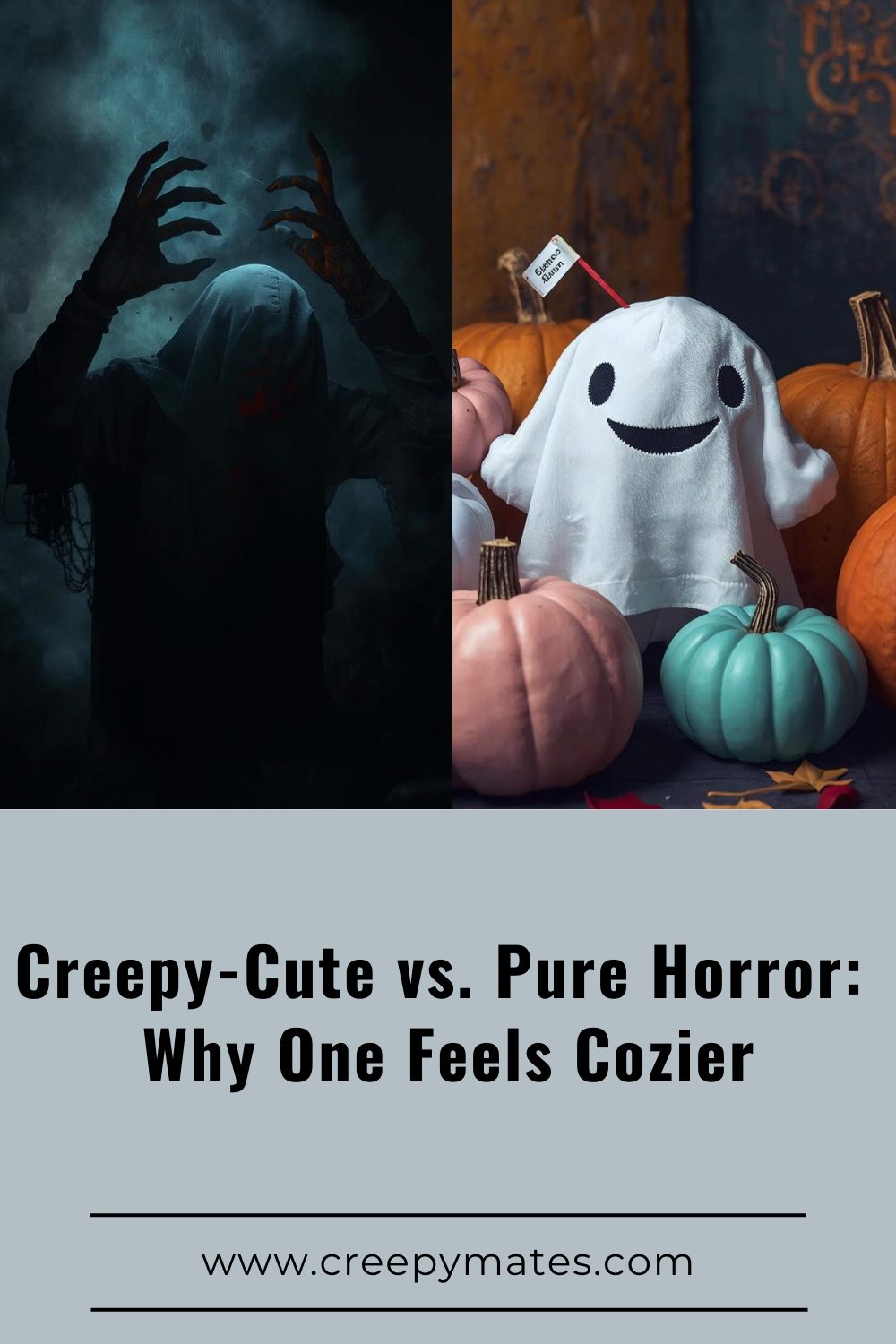
I’ve always been drawn to things that are a little bit spooky and a little bit cute at the same time. Think of smiling ghosts, adorable bats with big eyes, or skeletons wearing flower crowns.
There’s just something special about mixing fear with sweetness. These images feel less scary and, oddly, kind of comforting.
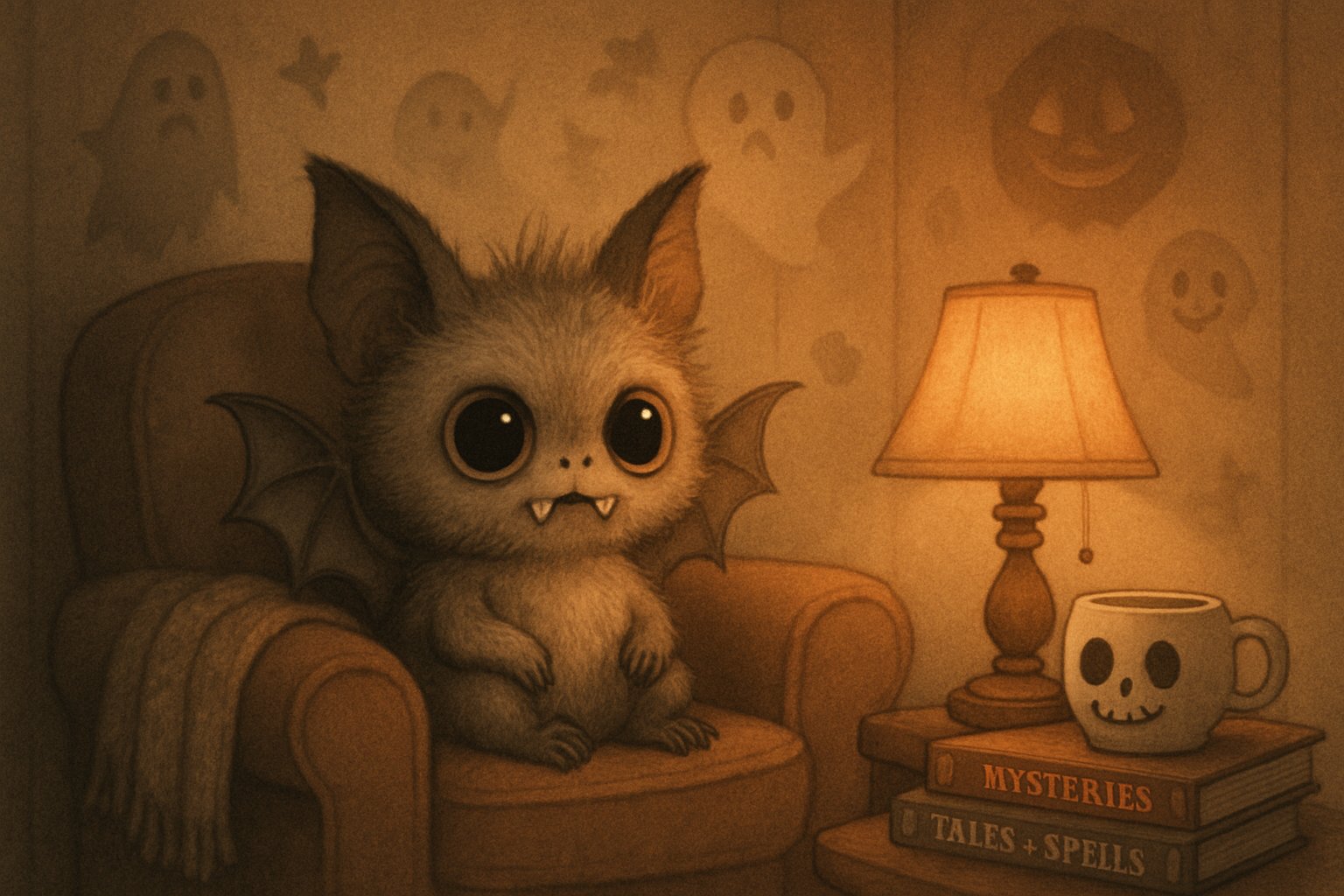
The combination of cute and creepy elements creates a safe way to enjoy fear while reducing its threatening aspects. Spooky things suddenly feel approachable, even soothing.
When I see a scary symbol like a skull paired with cute features like big eyes and soft colors, my brain gets two different signals at once. The creepy part gives me a tiny thrill, but the cute part says, hey, it’s all good.
This blend of spooky and cute has become pretty popular in art, home decor, fashion, and online communities. If you want to dig deeper into why dark themes can feel so comforting in our spaces, check out why horror aesthetics feel so good at home.
I want to dig into why this vibe resonates with so many people and what psychology says about finding comfort in a mix of darkness and sweetness.
We’ll peek at the appeal of spooky-cute, a bit of brain science, where it pops up in culture, and some of the creators who celebrate it.
The Allure of Spooky-Cute: Understanding the Appeal
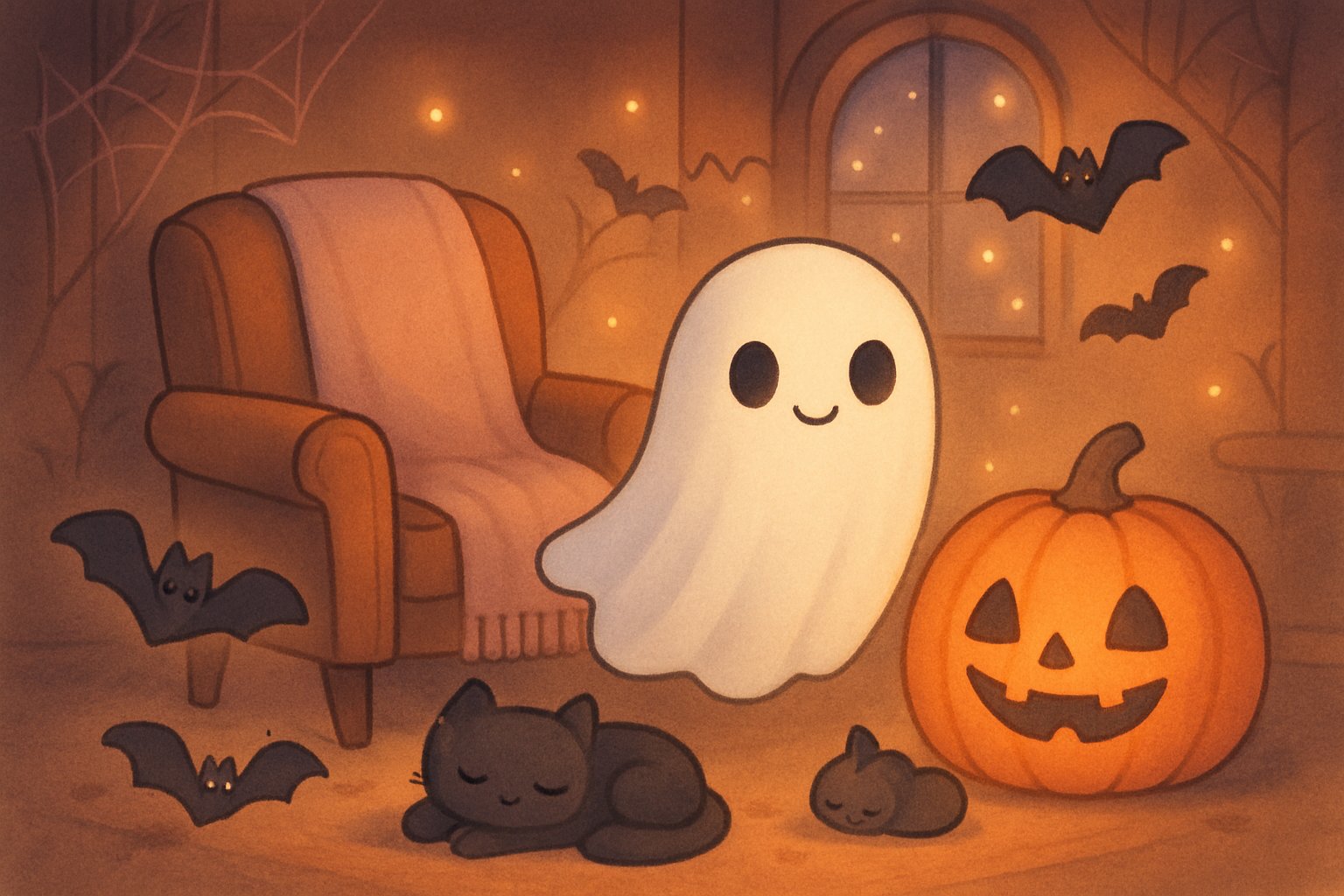
The mix of cute and creepy draws us in because it lets us explore darker themes without getting overwhelmed. This blend taps into our love of opposites and the way childhood memories can make something familiar feel fresh.
Emotional Comfort in Contrasts
Combining opposite emotions creates a weird sense of safety. When something scary gets wrapped in cuteness, it just feels easier to handle.
The contrast works because our brains are getting two messages at once. A monster with big eyes and a sweet smile says “be afraid” and “you’re safe” at the same time.
This mixed signal actually reduces stress. It’s like my brain can’t take the threat seriously.
Key emotional benefits include:
- Lower anxiety when facing dark themes
- Permission to enjoy spooky content without real fear
It also gives me a playful way to process uncomfortable feelings. I get to control how much scariness I want to experience.
Spooky cute stuff lets me dip into gothic or horror elements on my own terms. A plush creature with stitches or a cute skeleton feels approachable, not threatening.
Spooky-Cute as Nostalgia and Play
Childhood memories definitely play a role in why this aesthetic feels cozy. I connect spooky-cute with Halloween parties, cartoon monsters, and bedtime stories about friendly ghosts.
A lot of these designs remind me of toys and shows from when I was a kid. Characters from Happy Tree Friends or cute vampires from early 2000s media come to mind.
The playful side matters, too. I can collect zombie figures or wear tiny skull earrings without taking myself too seriously. If you have ever wanted to start a little spooky-cute collection but worried it might get pricey, this budget-friendly collecting guide makes it feel way more doable.
This lets me be a little childlike while still enjoying grown-up themes. It bridges the gap between my interest in gothic stuff and the simple joy of cute things.
I get to revisit childhood wonder and still express my darker tastes. It’s a win-win.
Gothic and Kawaii Aesthetic Fusion
Gothic and kawaii styles meet and create something new. I see this most in Japanese Gurokawa fashion, where bright colors and cute prints hang out with darker motifs.
Gothic style uses black clothes, dramatic makeup, and themes about death and darkness. Kawaii is all about pastel colors, innocence, and happy characters.
When they blend, you get eyeball accessories on pink clips or cute bears with vampire fangs. It’s wild.
Common fusion elements:
| Gothic Element | Kawaii Element | Result |
|---|---|---|
| Skulls and bones | Pastel colors | Cute skeleton designs |
| Blood and gore | Cartoon style | Playful vampire looks |
| Dark makeup | Bright accessories | Soft goth fashion |
| Monster themes | Big eyes | Friendly creature designs |
This blend lets me show both sides of my personality. I can wear a dress covered in ghosts or carry a bag shaped like a smiling coffin. And if you are trying to bring that same dark-meets-soft energy into your space, here’s a real-life way to mix cozy and gothic decor without the chaos.
It feels more real than picking just one style. Life’s complicated, and so is this aesthetic.
The Psychology Behind Blending Cute and Creepy
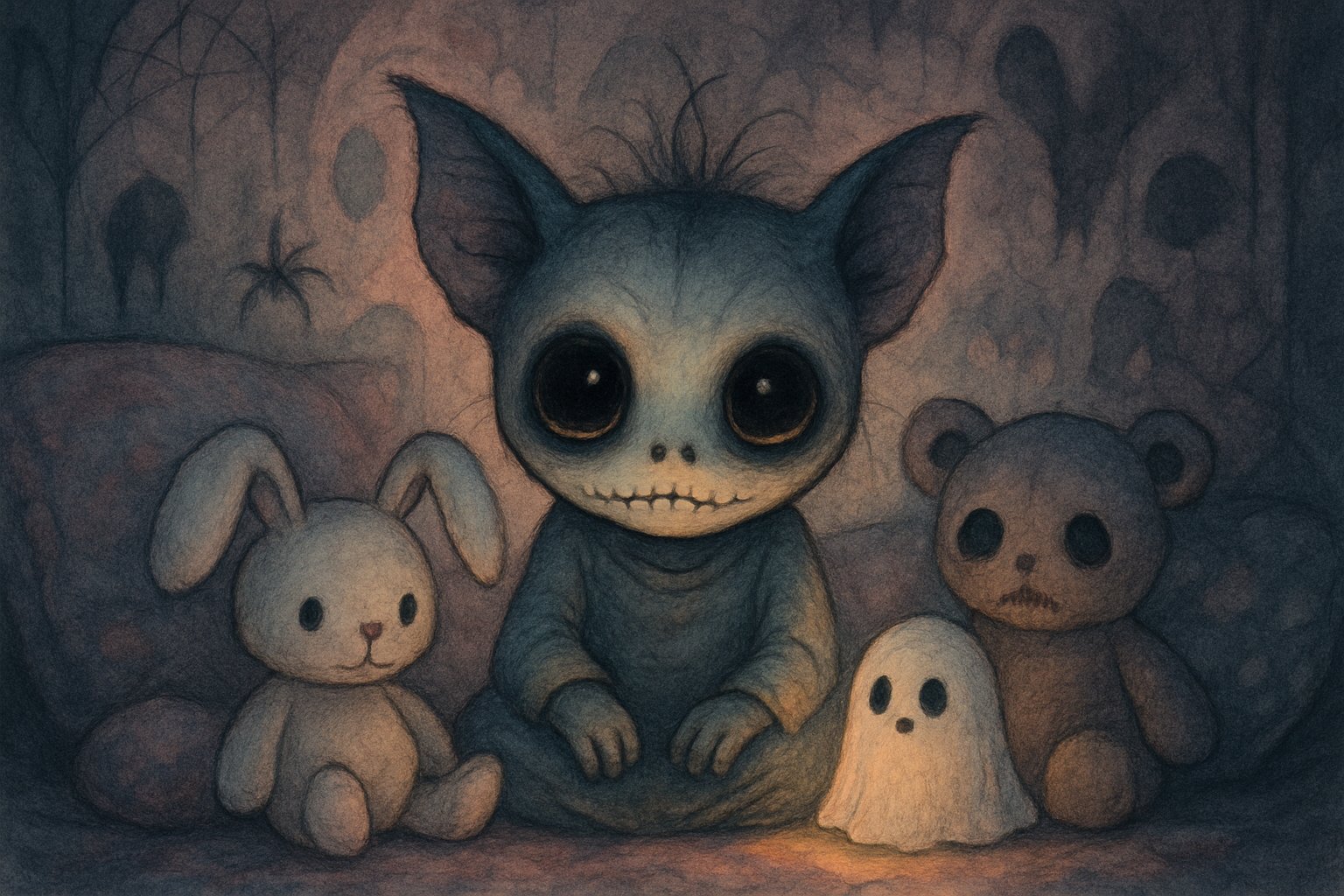
When I look at something that’s both adorable and unsettling, my brain gets a little confused, but in a good way. That tension somehow feels safe and fun.
The Role of Cognitive Dissonance
My brain expects cute things to feel warm and comforting. Spooky stuff should trigger caution.
When I see a smiling ghost or a plush zombie, those two signals clash. This is cognitive dissonance, holding two opposite ideas at once.
A skeleton should be scary, but put a flower crown on it and suddenly it’s sweet. That mental conflict feels interesting, not stressful.
The cute parts tell my brain everything’s fine. The creepy bits add a little edge.
Common cute-creepy combos:
- Baby monsters with big eyes
- Smiling skulls and friendly ghosts
- Pastel spiders or bats
- Cartoon vampires and cheerful zombies
Eventually, my brain figures out there’s no real threat. A demon plushie can’t hurt me. That relief feels good, so I keep coming back for more.
Safety in Controlled Fear
Spooky-cute stuff lets me play with fear, but in a way that’s totally safe. I get a tiny thrill from the creepy parts, but the cuteness keeps me grounded.
When something looks scary and adorable, my brain knows it’s not dangerous. A monster with giant cartoon eyes? Not a threat.
It’s kind of like watching a horror movie from your couch. You get the adrenaline rush, but you know you’re safe.
My body might get a little spike of excitement from the creepy imagery. Then the cute features help me relax again.
That quick cycle of tension and release is pretty satisfying. It never gets too intense.
Endorphins, Humor, and the Uncanny
Cute things make my brain release feel-good chemicals like dopamine and serotonin. When you add spooky elements, there’s this unexpected twist that can make me laugh.
Humor sneaks in because the combo is so absurd. A vampire rubber duck or a kawaii Frankenstein just breaks the rules in a funny way.
The uncanny valley usually creeps people out. That’s when something looks almost human but not quite. Spooky-cute stuff plays near that edge, but the cartoonish or playful details keep it safe.
Looking at a creepy-cute character, I get the endorphin boost from cuteness and the dopamine rush from mild surprise. The humor adds another layer. All those good feelings together somehow make monsters and skulls feel cozy.
Manifestations of Spooky-Cute in Art, Decor, and Pop Culture
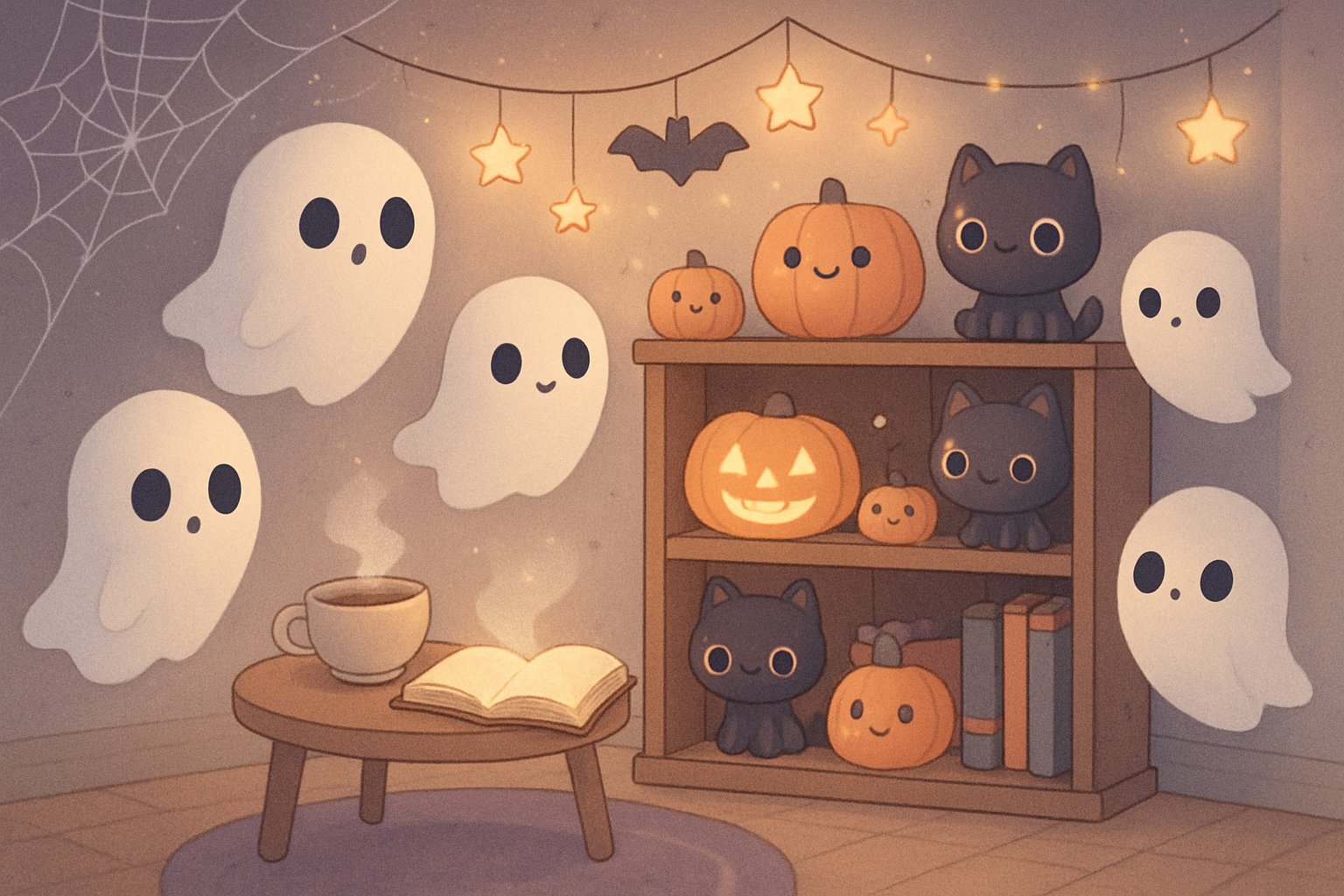
Spooky-cute is everywhere now, from cute monsters in art to ghost-shaped candles on shelves. Artists mix scary symbols with soft colors and friendly faces. If you are curious how your specific horror taste shapes the way you decorate, this quick style read on horror subgenres and decor vibes is a fun next stop.
Home decor fans fill their spaces with items that feel both eerie and inviting. It’s kind of the best of both worlds.
Illustration and Design Trends
Spooky-cute illustration really took off with Japanese Gurokawa style. This look mashes up adorable visuals with creepy stuff like skulls and bats, but keeps it friendly.
Artists use tricks like swapping out dark palettes for soft pastels. Round shapes and big eyes make monsters look huggable.
Smiling skeletons and chubby ghosts turn scary subjects into characters you’d want to collect. It just works.
Common design elements:
- Soft color schemes: pinks, purples, mint greens
- Oversized heads and tiny bodies
- Friendly faces on scary figures
- Halloween symbols with flowers or hearts
Digital artists on Instagram and Pinterest have spread these designs everywhere. The style pops up on stickers, prints, phone cases, and clothes.
I see it a lot in indie art communities. People want something less intense than traditional horror.
Popular Icons and Characters
Classic horror villains get the cute treatment all the time. Frankenstein’s monster as a chubby toddler? Seen it. Vampires as adorable bats? Everywhere.
Cute ghosts are huge here. Usually they’re white blobs with simple eyes and tiny smiles. Sometimes they wear hats or hold pumpkins.
Zombie pets are big, too. Artists draw cats and dogs with stitches or bones showing, but their faces are always sweet.
Popular spooky-cute characters:
- Baby versions of classic monsters
- Skeleton animals with bows
- Friendly demons with tiny horns
- Witch cats and magical creatures
- Pastel zombies
You see these on enamel pins, plushies, all kinds of stuff. If you want a concrete example of a creepy-cute collectible that totally nails this vibe, this little horror figure is the exact kind of thing I mean.
It’s a way to enjoy spooky themes without actual scares.
Decorating with Candles and Whimsical Oddities
Candles are a huge part of spooky-cute decor. I use skull-shaped candles in soft pink or lavender all year.
They add a little edge without making my place feel like a haunted house. Ghost candles are perfect, too. White wax just fits the friendly ghost look, and now you can find them with cute faces or tiny props.
Popular candle styles:
- Skull candles in pastels
- Ghost-shaped pillars with smiles
- Black cat silhouettes
- Pumpkins in unexpected colors
Beyond candles, I fill my space with odd little things that are both creepy and charming. Tiny resin bats, ceramic mushrooms with faces, and mini potion bottles all add interest.
Vintage-style apothecary jars filled with fake eyeballs or candy corn make things playful. I always mix these with softer decor.
A skull planter with a pothos plant just feels less intense. My space feels personal and mysterious, but still welcoming.
Famous Creators and Communities Embracing Spooky-Cute
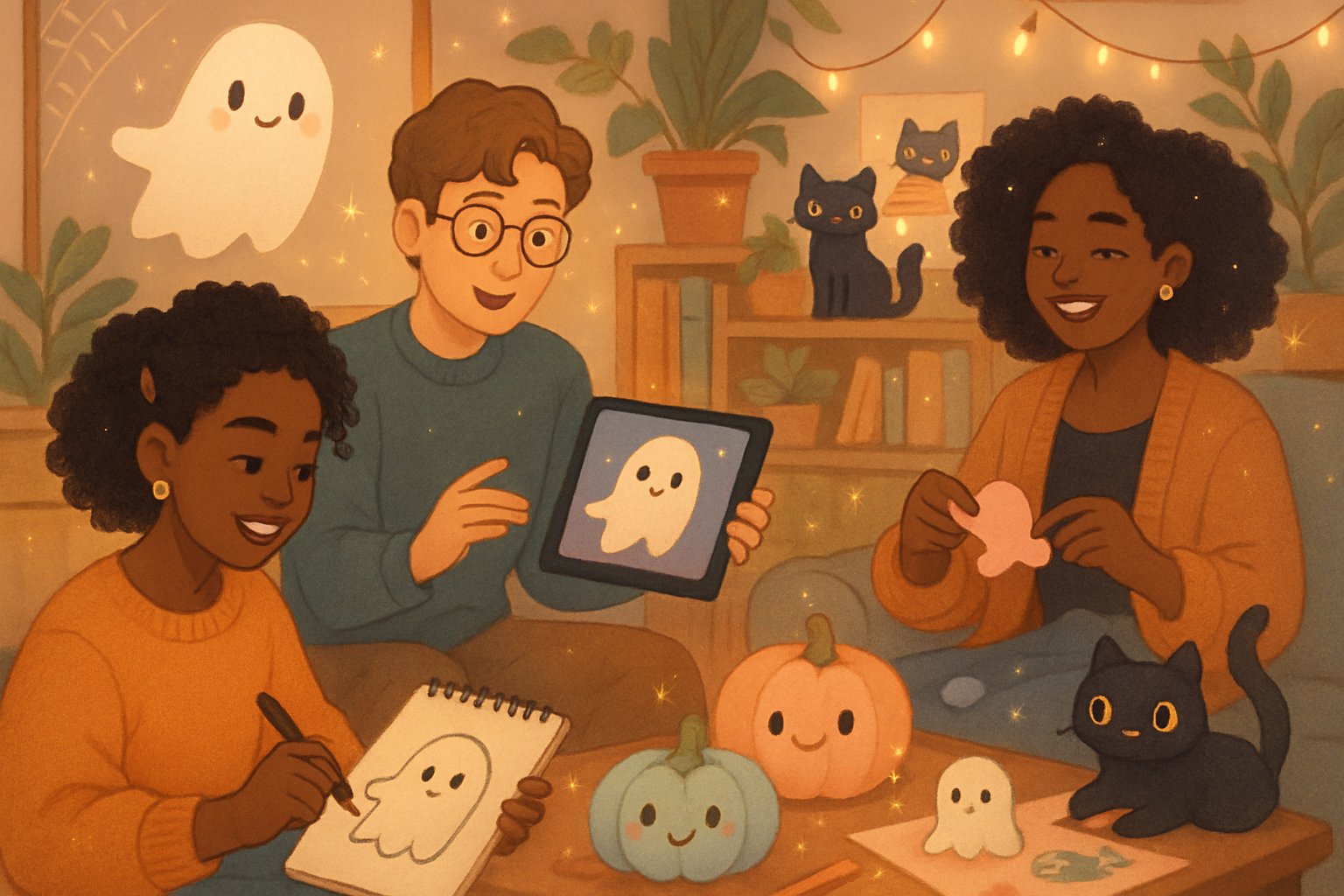
Artists who blend cute and creepy have built dedicated followings by turning scary subjects into comforting characters. Online communities make it easy for these creators to share their work and connect with fans who love the spooky-cute vibe.
Notable Artists and Illustrators
Kasing Lung’s Labubus figurines are a great example of cute-horror done right. These creepy-cute toys blew up through PopMart’s blind boxes, bringing the style to a bigger audience.
Scott Buoncristiano makes spooky art for posters, beer labels, and comics. His work mixes horror with bright colors and chunky, playful lines.
He started drawing for himself instead of clients, and that shift brought more opportunities. Honestly, his advice rings true because authenticity attracts your people.
Gina Jo blends macabre illustration with candle making in Indianapolis. She draws inspiration from medical curiosities and Victorian hair art. Her autumn candle scents like “Ash + Embers” pair perfectly with her cute-creepy style.
She connects with “fellow weirdos” at events like the Irvington Oddities Market. It’s a community thing.
SpookyCutes makes art toys that put a sweet spin on scary creatures like vampires and werewolves. The brand merges designer toy culture with spooky themes for collectors who love both.
Hink and the Power of Online Communities
Hink works as a muralist, comic artist, and printmaker. They dive into personal themes using surreal and absurd visuals.
Their comic Lora turns childhood friendships and the weirdness of growing up into stylized stories. Monsters and psychedelia pop up everywhere in their work.
Hink has a knack for twisting real experiences into something surreal. They say their creative voice should feel like “Impact font” across different mediums.
It’s campy, sure, but there’s a classic vibe underneath, whether they’re painting a mural or drawing a multi-page comic.
Online platforms give artists like Hink a way to share work straight with folks who love spooky-cute art. These digital communities offer support and honest feedback, which helps creators fine-tune their style while keeping it personal.
Closing
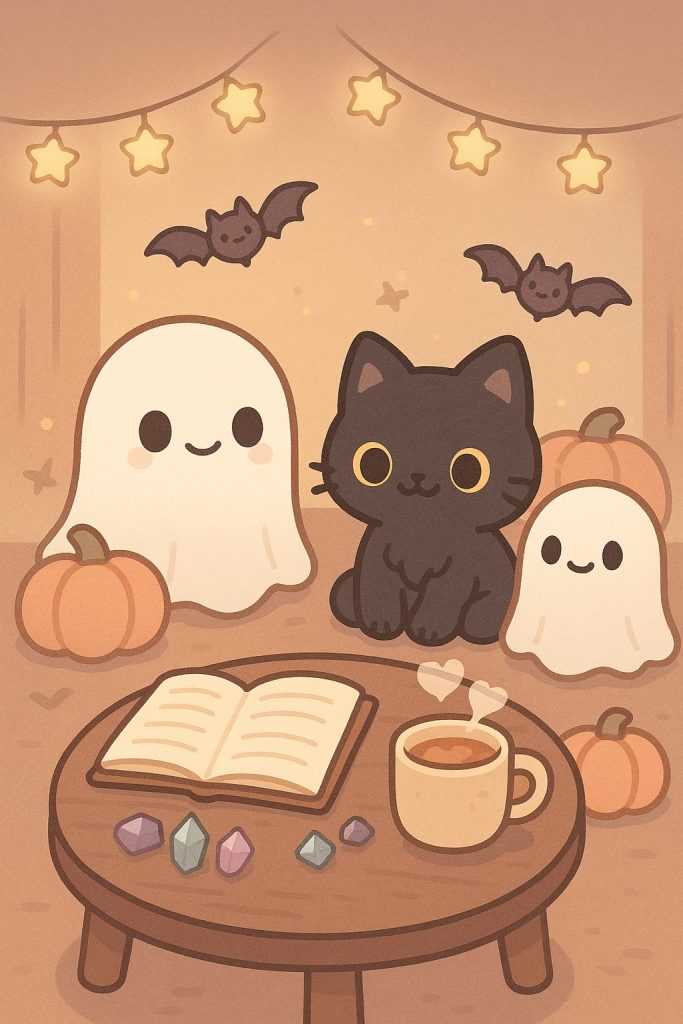
Spooky-cute isn’t just a style choice. It’s a small emotional trick that lets us hold fear and comfort in the same hand. Maybe that’s why it feels so honest and so livable.
Now I’m curious about you. What’s your favorite spooky-cute thing, or the image that makes you feel that tiny “safe thrill”? Do you collect creepy-cute art, decorate with it, or just love the vibe online? Drop your thoughts in the comments.
And if you want to keep wandering through this cozy-creepy world with me, take a look around the blog for more dark-sweet aesthetics, psychology, and giftable finds. There’s plenty more where the friendly ghosts came from.